
 Destinations, Experiences & East Africa Travel
A Nakuru safari puts rhinos, giraffes and extraordinary birdlife on one Rift Valley soda lake, roughly 160 km from Nairobi. This guide covers what you will see, when to go and how to plan it comfortably.
What is a Nakuru safari? A Nakuru safari is a wildlife trip to Lake Nakuru National Park in Kenya’s Rift Valley, usually one or two nights from Nairobi. Expect black and white rhinos, Rothschild’s giraffes, lions, leopards and more than 400 bird species. Flamingo numbers shift with lake levels, so go for the wildlife and treat flamingos as a bonus.
Planning this trip? Get a free quote in 1 hour →
Key takeaways
- Nakuru is a compact, fenced park with excellent rhino viewing, Rothschild’s giraffes and 400+ bird species.
- Flamingo numbers rise and fall with lake levels. Ask for a current report before you go.
- Stay at least one night. A rushed day trip leaves little time for the best light.
- Pair Nakuru with the Maasai Mara or Laikipia for a fuller Kenya itinerary.
- Choose your comfort level first, then match lodges and vehicles to it.
| Planning Detail | What to Know |
|---|---|
| Best For | First-time safari visitors, rhino enthusiasts, birdwatchers and families exploring Kenya's wildlife destinations. |
| Recommended Duration | One to two nights for a focused visit, or longer when combining Lake Nakuru with the Maasai Mara safari circuit. |
| Best Months to Visit | June to October and January to February are useful periods to consider. Wildlife viewing is possible throughout the year, while weather and road conditions vary seasonally. |
| Getting There | Approximately 160 km from Nairobi, usually around two to three hours by road, depending on traffic, departure point and road conditions. |
| Park Entry Fee | The reported rate is USD 90 per non-resident adult, stated as applicable since October 2025. Confirm the current fee, visitor category and payment requirements with the Kenya Wildlife Service (KWS) before travelling. |
Plan Your Nakuru Safari
Let Entice Africa Safaris help you choose your accommodation, plan your route and create a Kenya wildlife experience suited to your travel dates and comfort preferences.
Get Your Safari Quote →
Lake Nakuru safari: what you will actually see
Lake Nakuru National Park was established in 1961 and covers about 188 square kilometres. It is fenced and compact, so a single game drive covers a lot of ground. The Kenya Wildlife Service describes it as Kenya’s first rhino sanctuary, with one of the country’s largest black rhino populations and a substantial number of white rhinos.
You will also find Rothschild’s giraffes, one of the most endangered giraffe subspecies, along with lions, leopards, buffalo, zebra, waterbuck and large troops of olive baboons. Three viewpoints reward a stop: Baboon Cliff, Lion Hill and Out of Africa Hill. Makalia Falls sits at the southern end.
For birders, the checklist passes 400 species. The lake belongs to the Kenya Lake System, a UNESCO World Heritage site recognised for its birdlife.
Nakuru flamingos: what the numbers really mean
Many guides promise a shoreline of pink. The truth is more nuanced. Rising water has altered the lake’s chemistry and food supply, and flamingos move between Nakuru, Lake Bogoria, Lake Elementaita and Lake Natron in search of food. A 2023 to 2025 survey reported waterbird totals at Nakuru falling from 22,533 to 15,543.
Flocks still gather at times, sometimes in the tens of thousands. Before you travel, ask your safari planner for a current lake report. When one lake is quiet, another is often busy, so a short Rift Valley loop protects the experience.
Best time to visit Lake Nakuru National Park
The park is open all year. June to October and January to February are the dependable dry windows, with firmer tracks and easier game viewing. The long rains of March to May and the short rains of November can raise the lake and soften roads. Migratory birds add to the checklist in the northern winter months, which suits keen birders.
Getting to Nakuru and what it costs
Nakuru lies about 160 km northwest of Nairobi, a two-to-three-hour drive. The park has two main entrances, Lanet Gate near Nakuru town and Nderit Gate. News reports say the non-resident adult fee rose from USD 60 to USD 90 on 1 October 2025, with children at USD 45. Fees change, so confirm the current rate on kws.go.ke.
Day trips from Nairobi exist, but they spend much of the day on the road. Staying overnight gives you a dawn drive, softer light and a calmer pace. Our day trips suit travelers with a tight window.
| Safari Itinerary | Route | Best For | From |
|---|---|---|---|
| 6 Day Maasai Mara, Lake Nakuru and Amboseli Safari → | Maasai Mara, Nakuru and Amboseli, with short transfers from Nairobi. | First-time visitors wanting variety. | USD 5,580 |
| 10-Day Kenya Safari: Samburu to the Maasai Mara → | Samburu, Ol Pejeta rhinos, two nights at Nakuru and the Maasai Mara. | Families and travellers who prefer a relaxed pace. | USD 5,100 |
| 9 Day The Big Cat Safari → | Maasai Mara, Samburu and Lake Nakuru. | Big cat enthusiasts. | USD 4,197 |
Find the Right Nakuru Safari for You
Tell us your preferred travel dates, group size and comfort level. Entice Africa Safaris can help you select a suitable itinerary and accommodation for your Kenya wildlife adventure.
Plan Your Kenya Safari →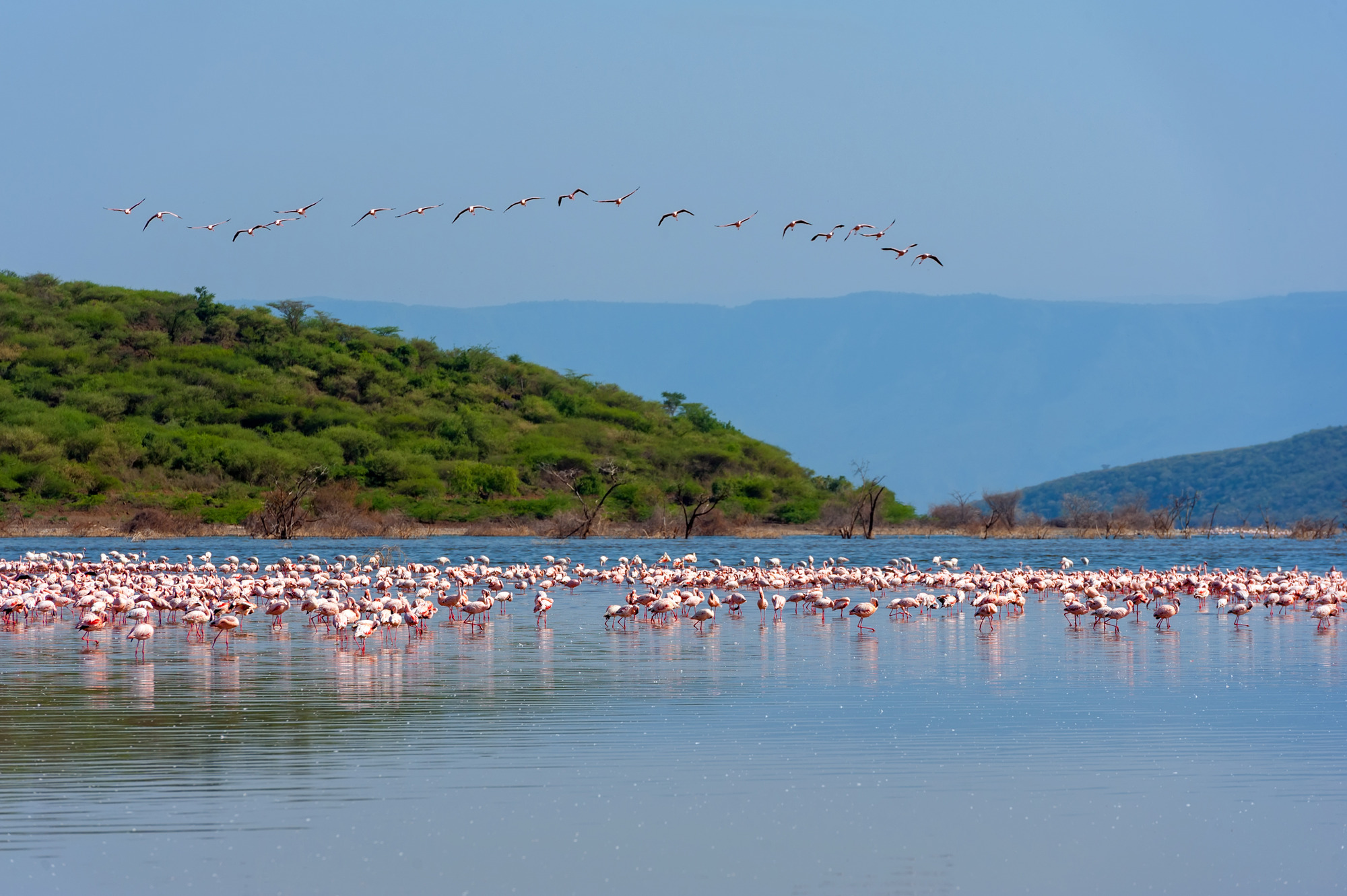
Beyond the lake: Naivasha, the coast and culture
Lake Naivasha adds a boat ride among hippos and a walk on Crescent Island. After the Maasai Mara, a Maasai village visit offers cultural context. To finish, consider our bush and beach safaris for white sand on the Kenyan coast, or our bird watching safaris if the lake birdlife is your priority.
Nakuru safari tips for a smoother trip
- Start at dawn. Animals are most active in the first hours, and the lake looks its best in early light.
- Pack binoculars. Birds, distant rhinos and viewpoint panoramas all reward a good pair.
- Bring layers. Mornings in the Rift Valley highlands are cool, and afternoons warm up quickly.
- Ask your guide about the lake. A current report on where birds are feeding shapes the best route.
- Stay in the vehicle. Park rules protect you and the wildlife, and rhinos are best watched from a respectful distance.
A well-planned Nakuru safari is less about ticking species and more about patience, light and a guide who reads the park well.
Frequently asked questions
How many days do I need for a Nakuru safari?
One night is the minimum for a proper game drive at dawn and dusk. Two nights suit rhino and bird enthusiasts. Combine it with the Maasai Mara for a six-day or longer journey.
Is Lake Nakuru worth visiting without flamingos?
Yes. The rhinos, Rothschild’s giraffes, big cats and birdlife make it rewarding in any month. Flamingos are a bonus, not the reason to go.
Which animals will I see at Lake Nakuru?
Expect black and white rhinos, Rothschild’s giraffes, lions, leopards, buffalo, zebra, waterbuck and baboons. Sightings are never guaranteed, but the compact park gives your guide excellent odds.
Can I visit Nakuru as a day trip from Nairobi?
You can, but the round trip takes most of a day. An overnight stay gives better light and more time inside the park.
Do I need a visa for Kenya?
Most visitors need an approved Kenya eTA before departure. Apply early on etakenya.go.ke, and check current rules before paying.
What comfort level suits a first Nakuru safari?
Comfort lodges with a private guide work well for most first visits. Move up to Premium Comfort if you want a private vehicle and a slower rhythm.
Get your free Nakuru safari quote in 1 hour
Tell us your dates and who is traveling. A planner in our Nairobi office replies within 6 hours with a day-by-day itinerary, suggested camps and an itemised price. No payment is needed to enquire.
Prefer to talk? WhatsApp or call +254 799 871 255.
Comments are closed