
 Safari Planning, Travel Guides & Practical Advice
Kenya Has No Bad Season. But It Does Have a Perfect One for You.
The first light of a Kenyan morning spreads across the Mara in shades of amber and copper. Out on the plain, a cheetah lifts its head from the grass. Somewhere to the north, a column of wildebeest a million animals long is already moving, driven by an instinct older than memory.
Kenya is not a destination you visit once and understand. It is a place you return to, drawn back by something you cannot quite name the quality of the light, the scale of the silence, the feeling that here, for the first time, you are watching the world as it was intended to be.
But here is what the great operators know and the generic travel guides miss: the best time to visit Kenya is not the same for every traveler. It depends on what moves you. The Great Migration. A quieter park with no other vehicles. Babies. Budget. Beaches. Photography. All of these have their season, and all of them are extraordinary.
This is your complete, honest, expert guide built from years of on-the-ground experience planning Kenya safaris for travelers from 30+ countries.
This Guide Is Written for You
Before we go any further, tell us which of these sounds like you:
- You want the Great Migration you’ve seen it on David Attenborough and nothing else will do
- You’re a photographer who wants clean golden-hour light, open plains, and no dust on the lens
- You’re a couple on honeymoon who wants romance, privacy, and something unforgettable
- You’re a family and need something safe, engaging, and genuinely exciting for children
- You’re budget-conscious and want maximum wildlife for minimum cost
- You want to combine safari and beach Big Five then Indian Ocean
- You’re a repeat visitor who has done the Mara and wants Kenya’s hidden gems
- You have a layover at JKIA and want to make the most of it
Every scenario above has an ideal season. This guide gives you all of them.
Kenya’s Safari Seasons at a Glance
Kenya has two main dry seasons and two rainy seasons. Neither rainy season makes Kenya impossible they simply change the experience.
|
Season / Month |
Wildlife |
wildebeest Migration |
Crowds |
Cost |
Beaches |
|
Jan – Feb |
Excellent |
Not in Mara |
Low–Mid |
Mid |
Perfect |
|
Mar – May |
Challenging |
Absent |
Very Low |
Budget |
Avoid |
|
Jun – Jul |
Outstanding |
Arriving |
High |
High |
Good |
|
Aug – Sep |
Peak — best |
River crossings |
Busiest |
Premium |
Good |
|
Oct – Nov |
Very good |
Departing |
Low |
Mid |
Best |
|
Dec |
Excellent |
Not in Mara |
Mid–High |
Mid–High |
Perfect |
|
Local insight from Entice Africa Safaris: |
June to October: The Peak Season And Why It Earns That Title
The long dry season is when Kenya performs at full volume. Vegetation thins. Animals concentrate around water. The air is clean and clear. And from late July into October, the Maasai Mara becomes the stage for the greatest wildlife spectacle on Earth.
The Great Wildebeest Migration
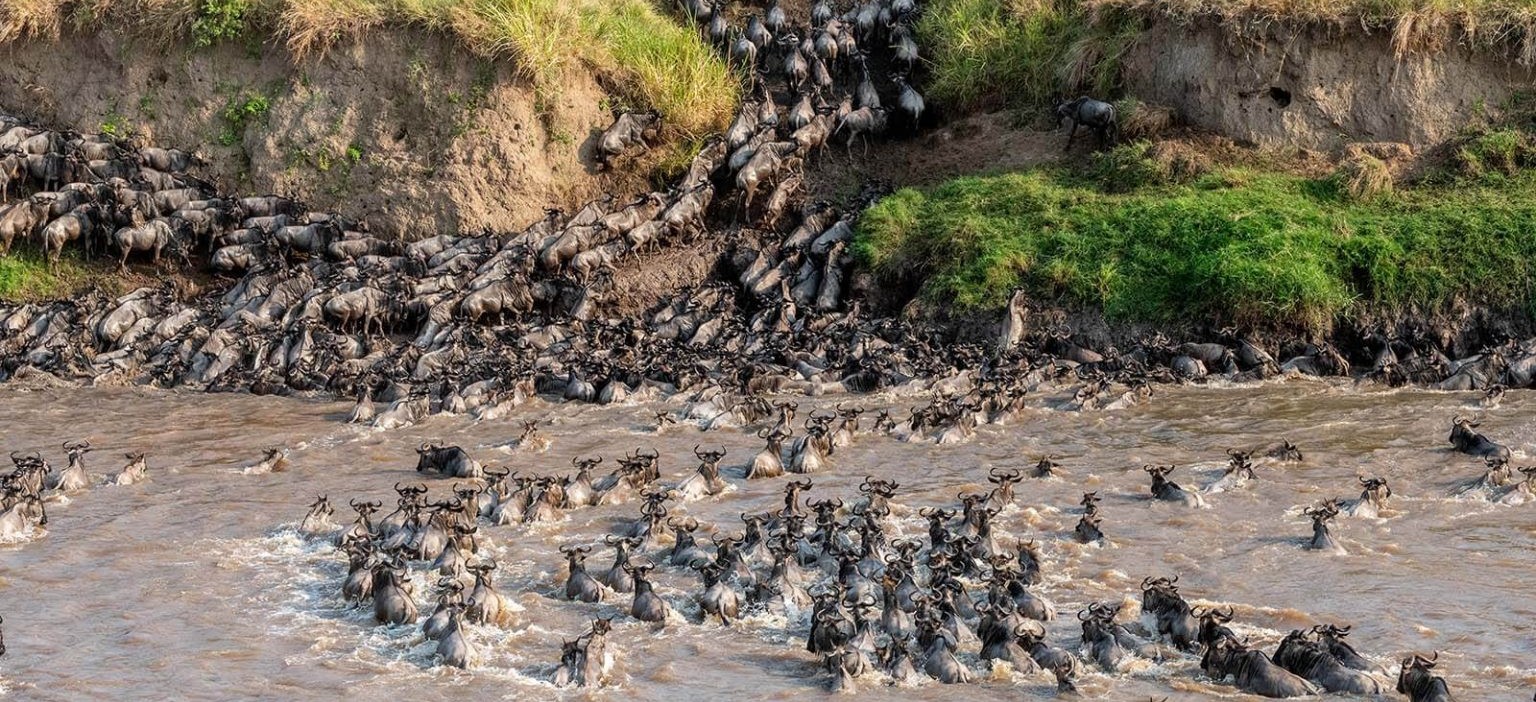
Over 1.5 million wildebeest, joined by hundreds of thousands of zebra and gazelle, cross from Tanzania’s Serengeti into Kenya’s Maasai Mara in search of fresh grass. They arrive from late July and the dramatic Mara River crossings crocodiles surging, wildebeest plunging, dust rising against an orange sky peak through August and September.
Migration timing, pinned: Wildebeest enter the Mara: late July to August. River crossings peak: August to September. Herds begin return south: October.
What else June–October delivers:
- Big Five game drives with outstanding visibility across Maasai Mara, Amboseli, Tsavo, Samburu, and Laikipia
- Comfortable temperatures: 22–26°C / 72–79°F during the day, cool evening
- Firm roads critical for reaching remote parks and conservancies
- Peak photography conditions: clear air, golden morning light, dramatic skies
- Prime time for the Mara conservancies (Mara North, Olare Motorogi, Naboisho) exclusive, uncrowded, outstanding
Important: The Maasai Mara banned self-drive vehicles in 2025 and doubled park fees during peak season ($200/day Jul–Dec, $100/day Jan–Jun). Book 6–12 months in advance for August and September. The best lodges and conservancies fill completely.
This is the season photographers dream about. And for first-time safari travelers, it is often the season that makes them rearrange their entire lives to come back.
January & February: The Underrated Season Brilliant and Half the Crowds
The savannah is still warm from the December rains and the grass has thinned. Wildlife is abundant and active. Skies are clear. And most of the peak-season crowds have gone home.
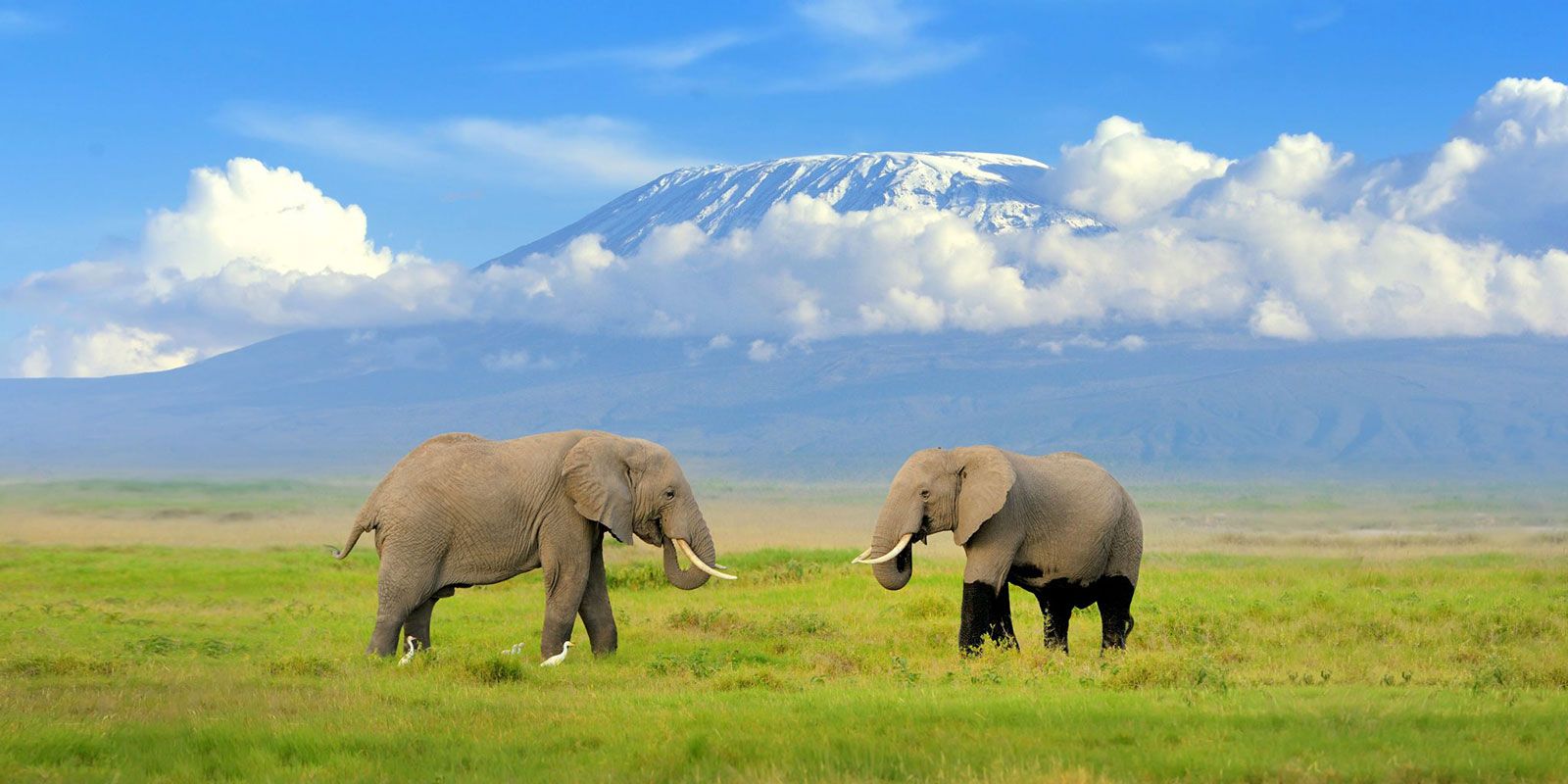
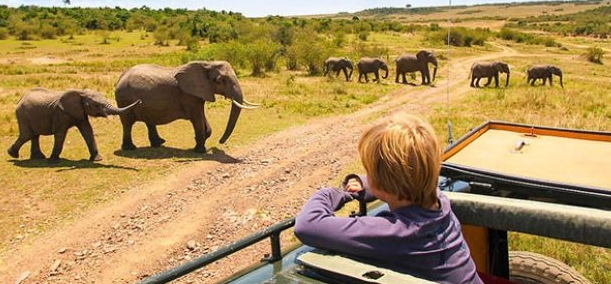
January and February are among the most consistently rewarding months to visit Kenya. Temperatures along the coast reach 28–32°C, making Diani Beach and Watamu perfect. The central highlands are warm in the day and cool at night. In Amboseli, the vast elephant herds drift across open plains with Kilimanjaro glowing behind them on clear mornings — one of the most iconic photographs in wildlife travel.
- Excellent Big Five visibility across all major parks
- Fewer vehicles in the Mara — more intimate, more private
- Lower park fees in the Maasai Mara ($100 per adult per day)
- Best time to see newborn animals — elephants, impalas, zebra foals
- Birding at its finest as migratory species are still present
- Perfect beach conditions along the Kenyan coast
For luxury travelers, honeymoon couples, and photographers who want the light without the crowds, January and February are the quiet secret of Kenyan safari.
March to May: The Green Season Africa Unfiltered, and Dramatically Affordable
In April, the long rains arrive and the savannah transforms. The sky turns dramatic. Waterfalls appear on hillsides that were dry a week ago. Newborn animals take their first steps in grass that is impossibly green.
This is not the easiest season for game drives — thick vegetation makes spotting harder, and some tracks in remote parks become impassable. A few lodges close. But the traveler who comes in April or May gets something the August crowds never will: Africa almost entirely to themselves.
- Lodge rates drop by 30–60% compared to peak season
- Dramatic landscape photography — moody skies, lush green plains, no dust
- Excellent birding: this is the best time for migratory bird species and breeding displays
- Baby animals everywhere — one of the most tender wildlife experiences Kenya offers
- Almost no other vehicles on game drives
Best for: budget-conscious travelers, birders, photographers who want the green landscape, and adventurous travelers comfortable with occasional mud.
Not recommended for: first-time visitors who want guaranteed dry-road access and easy wildlife spotting.
Where to Go in Kenya: From Iconic to Hidden Gem
Most standard Kenya safaris cover the Mara, Amboseli, and Lake Nakuru. These are genuinely world-class. But Kenya is far more than three parks and the traveler who goes deeper finds experiences that the busy parks can never deliver.
|
Destination |
What makes it special |
Best time |
Traveler type |
|
Maasai Mara |
Great Migration, big cats, luxury camps |
Jul – Oct |
Everyone |
|
Amboseli |
Elephants + Kilimanjaro backdrop |
Jun – Oct, Jan – Feb |
Photographers, families |
|
Samburu |
‘Special Five’ northern species |
Jun – Oct |
Wildlife enthusiasts |
|
Laikipia / Ol Pejeta |
Rhino, wild dogs, walking safaris |
Jun – Oct, Jan – Mar |
Luxury, conservation |
|
Meru National Park |
Untouched, Born Free country, Big Five |
Jun – Oct |
Off-beaten-path seekers |
|
Tsavo East & West |
Red elephants, vast wilderness |
Jun – Oct |
Adventure travelers |
|
Lake Nakuru |
Flamingos, black & white rhino |
Year-round |
Birders, day-trippers |
|
Diani Beach |
White sand, Indian Ocean |
Oct – Mar |
Beach + safari combos |
|
Lamu Island |
UNESCO old town, Swahili culture |
Oct – Mar |
Culture & honeymoon |
|
Nairobi National Park |
Lions with skyline backdrop, 20 min from JKIA |
Year-round |
Layover travelers |
Meru is where Joy Adamson raised Elsa the lioness, immortalized in Born Free. Over 870 square kilometres of untouched wilderness, Big Five, 400+ bird species, and almost no tourists. It is one of the most rewarding safaris we offer and it still surprises us every time
The Samburu Special Five
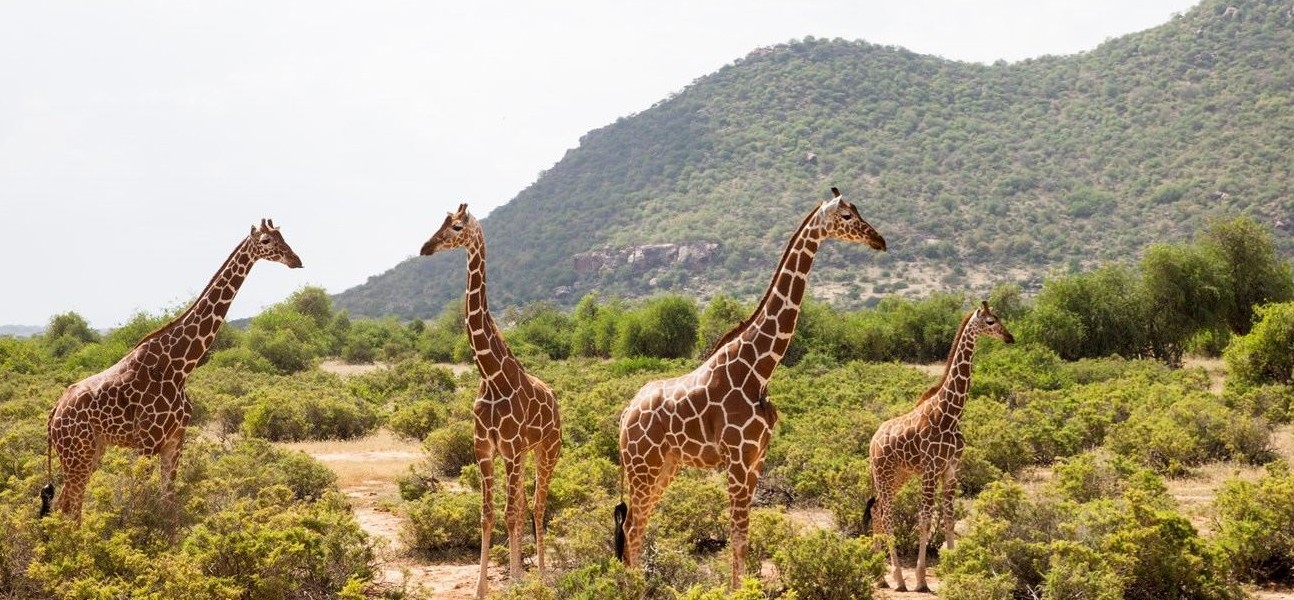
Samburu National Reserve in northern Kenya offers wildlife you will not find anywhere else in the country: the reticulated giraffe (the world’s largest), Grevy’s zebra (critically endangered), gerenuk (the long-necked antelope that stands on its hind legs to eat), Somali ostrich, and beisa oryx. Samburu sits along the Ewaso Nyiro River and the scenery is unlike anything in southern Kenya arid, rugged, and deeply beautiful.
Kenya’s Iconic Experiences Matched to the Right Season
- Great Migration river crossings (Aug–Sep): Crocodiles. Dust. A million wildebeest. The most dramatic wildlife spectacle on Earth, in the Maasai Mara.
- Hot air balloon safari over the Mara (Jun–Oct): Drift silently over the savannah at first light. Wildlife below, silence above, the horizon on fire. Many guests call it the greatest hour of their lives.
- Elephants at Amboseli with Kilimanjaro (Jan–Feb, Jun–Oct): The iconic image of Africa. The mountain clears on cold early mornings and great elephant bulls move across the plains in front of it.
- Night game drive at Laikipia (year-round): Aardvark, honey badger, pangolin, and leopard nocturnal species that daytime drives almost never reveal.
- Walking safari at Ol Pejeta or Meru (Jun–Oct): Track rhinos on foot. No vehicle between you and the wilderness. The most visceral safari experience Kenya offers.
- Diani Beach + safari combo (Oct–Mar): Five days of Big Five, five days of white sand and the Indian Ocean. Kenya does this better than anywhere else on Earth.
- JKIA layover safari (year-round): Nairobi National Park is 10 minutes from the airport. Lions, rhinos, giraffes between flights.
Budget, Mid-Range & Luxury Kenya Works for Every Traveler
Budget safari
Travel in the green season (Apr–May or Nov) and stay in tented camps or mid-range lodges. Lodge rates drop 30–60% and you will share game drives with far fewer vehicles. A solid 7-day Kenya safari budget: from $2,500–$3,500 per person.
Mid-range safari
Shoulder season (Jun or Oct–Nov) delivers excellent wildlife at mid-range prices. Comfortable lodges, good guide-to-guest ratios, and all the wildlife of the dry season without August’s premium. Budget: $4,000–$7,000 per person for 8–10 days.
Luxury and all-inclusive safari
Peak season (Jul–Sep) at private conservancies adjacent to the Mara — Mara North, Olare Motorogi, Naboisho, or the JW Marriott Solio Rhino Sanctuary in Laikipia. Exclusive vehicles, walking safaris, unlimited game drives, and the kind of privacy that turns a good safari into a defining life experience. Budget: $10,000–$25,000+ per person for 10–12 days all-inclusive.
Transparency on pricing:
Maasai Mara National Reserve park fees are $200 per adult per day (Jul–Dec) and $100 (Jan–Jun). Private conservancies add their own fees, typically $100–$200 per day. These are real costs that many tour operators hide in ‘all-inclusive’ quotes. Entice Africa Safaris itemizes every cost in your quote. No surprises.
Everything You Need to Know Before You Book
Visa
Kenya uses an Electronic Travel Authorisation (eTA) system. Apply at etakenya.go.ke before departure. Most nationalities approved in 1–3 business days. EAC citizens exempt.
Health
Yellow fever vaccination required if arriving from or continuing to an endemic country. Malaria prophylaxis recommended for most safari regions (not required in Nairobi). Consult your travel health clinic 6–8 weeks before departure.
Domestic flights
Flying between parks saves days and opens up combinations that road travel cannot. Nairobi to Maasai Mara: 45 minutes by air vs 5–6 hours by road. Nairobi to Samburu: 1 hour by air vs 6–8 hours by road. We arrange all domestic flights as part of your itinerary.
What to pack
- Neutral colours (khaki, olive, beige) for game drives — not white or bright
- Layers: Nairobi sits at 1,795m and mornings are cooler than visitors expect
- High-SPF sunscreen and wide-brimmed hat
- Binoculars — even a basic pair transforms wildlife viewing
- Camera with a zoom lens for wildlife — your phone camera will work in open vehicles
- Lightweight waterproof jacket
- Closed shoes for walking safaris and open-sided vehicles on dusty tracks
How far in advance to book
Peak season (Jul–Oct): book 6–12 months ahead. Top lodges and conservancies in August fill completely. Green season and shoulder: 2–3 months usually sufficient. Last-minute layover tours: WhatsApp us same-day.
Family, Groups & Conservation Travelers
Families with children
Kenya is one of the world’s best family safari destinations. Children from age 6 upward can join most game drives. The Giraffe Centre, Sheldrick Elephant Orphanage, and Ol Pejeta Conservancy offer dedicated conservation education experiences. Junior ranger programmed at select lodges teach children tracking, wildlife identification, and bush survival. The best family season is January–February or June–July (before peak August crowds).
Conservation travelers
Ol Pejeta Conservancy (Laikipia) is home to two of the world’s last northern white rhinos and the largest black rhino sanctuary in East Africa. Solio Conservancy at JW Marriott Solio runs the most successful black rhino breeding programme on the continent. Lewa Wildlife Conservancy holds 12% of Kenya’s entire rhino population. Visiting these conservancies does not just create memories it funds the anti-poaching patrols that keep these animals alive.
Frequently Asked Questions
Is it safe to visit Kenya?
Yes. Kenya is one of Africa’s most mature and established tourism destinations. The parks, conservancies, and coastal resorts operate professionally and safely. Entice Africa Safaris provides full pre-departure safety briefings and 24/7 in-country support on every itinerary.
What is the rainy season in Kenya?
Kenya has two rainy seasons: the long rains (April–May) and the short rains (November). The long rains are heavier and some tracks in remote parks become difficult. Short rains are typically brief afternoon showers that clear quickly — November remains a perfectly workable safari month.
When is the cheapest time to visit Kenya?
April and May are the lowest-cost months, with lodge rates 30–60% below peak. November is also good value and the landscape is beautiful after the short rains. Early December (before Christmas week) is excellent value with lush scenery and baby animals.
Can I combine safari and beach in Kenya?
Absolutely and Kenya does this better than almost anywhere else in Africa. A classic combination: 5–7 nights on safari (Mara, Amboseli, or Samburu) followed by 3–5 nights on Diani Beach or Lamu Island. Best window for both: October to March, when beach conditions are excellent and wildlife remains strong.
How long should I spend in Kenya?
A minimum of 7 nights to see one or two parks well. 10–14 nights to combine Maasai Mara, a second park (Amboseli or Samburu), and the coast. 3 weeks for the full Kenya experience including hidden gems like Meru and Laikipia.
When is the best time for the Maasai Mara?
For the Great Migration river crossings: August and September. For big cats without the crowds: January–February or June–July. The Mara has resident lion prides year-round and is genuinely excellent in every month except the heaviest rain period (April–May).
Is there a good time to visit Kenya for photography?
Yes two seasons stand out. July to October for peak wildlife density and dramatic river crossing action. April to May for lush green landscapes, dramatic storm light, and near-empty parks. Each produces a completely different body of work.
Your Kenya Safari Starts With One Honest Conversation
There is no single best time to visit Kenya. There is the best time for you for your budget, your dream sighting, your travel style, and the experience that will change how you see the world.
Entice Africa Safaris has been having that conversation with travelers from 30+ countries since 2017. We do not sell packages. We design journeys. We tell you honestly what each season delivers, what the parks are really like in different months, what the lodges are actually worth, and exactly how to spend your days and your budget for the most extraordinary outcome.
Plan Your Kenya Safari — Entice Africa Safaris
Tell us your travel dates and your dream — we will tell you exactly when to come and why.
-> Migration lodges fill months in advance. If July–September 2027 is your target, reach out today.
Comments are closed