

 Luxury Safari & Accommodation
A luxury tented camp in Kenya is a permanent camp of large canvas tents, each with a real bed, an en-suite bathroom and a private veranda, set inside or beside a wildlife area and run with lodge-level food and service. You get the sound of the bush at night and the comfort of a hotel room, usually with full board and daily game drives included.
This guide explains how these camps work, how they differ from a lodge, which regions have them and what to check before you book. If you are comparing buildings with canvas, read it alongside our guide to the best luxury safari lodges in Kenya.
Planning this trip? Get a free quote in 6 hours →
Luxury tented camps in Kenya at a glance
| Question | Short answer |
|---|---|
| What is it? | A permanent camp of canvas tents on raised platforms or solid bases, with en-suite bathrooms and proper beds |
| How is it different from a lodge? | Canvas walls instead of masonry, fewer rooms, a quieter setting and more sound from the bush |
| Main regions | Masai Mara reserve and conservancies, Laikipia, Samburu, Amboseli, Tsavo |
| Usually included | Accommodation, meals, daily game drives, drinking water, and often laundry; park or conservancy fees vary by property |
| Power | Mostly solar, with charging points in the main area or tent |
| Best for | Couples, honeymooners, families with older children, photographers and anyone who wants to feel close to the wildlife |
| Children | Age limits differ from camp to camp; some do not take young children at all |
What a luxury tented camp actually is
The word “tent” misleads people. A luxury safari tent has little in common with a camping tent. The canvas is heavy and often double-layered, the frame is solid, and the floor is usually timber or a built base. Inside you will normally find a proper bed with linen, a writing table, lamps, a wardrobe or luggage racks, and a bathroom with a flush toilet and a hot shower.
The bathroom is usually attached to the sleeping area, sometimes under the same canvas roof and sometimes in a connected section behind a zip or a door. Many tents have a veranda with chairs where you can watch the plains or the river while you drink your morning coffee.
Permanent, seasonal and mobile camps
Not every tented camp is the same kind of operation, and the difference affects both comfort and price.
- Permanent camps stay in the same place all year. Tents sit on bases or platforms, and water, power and kitchens are fixed. Most luxury camps in Kenya are of this type.
- Seasonal camps open for part of the year, often in the busier months, and are taken down or closed when the weather or wildlife movements make them unworkable.
- Mobile camps move to follow the game or to stay on the right side of seasonal rains. They can be very comfortable, but facilities are lighter and the logistics are more involved.
When you ask for a quote, say which type you want, since the three are priced differently and feel different on the ground.
Power, water and comfort
Most camps run on solar power backed by a generator or battery bank. That is enough for lights and phone or camera charging. Do not expect to run a hair dryer in every tent; some camps provide a charging point only in the dining area, so ask before you go if you travel with camera batteries or medical equipment.
Hot water is normally delivered on request or heated by solar, and a few camps bring a bucket of hot water for a “bush shower” in the traditional way. Either way, you will not be short of washing water. Wifi is common in the main area and patchy or absent in the tents.
Sounds at night, and whether it is safe
This is the question most first-time visitors ask, and it deserves a straight answer. At night you will hear insects, birds, hyenas calling, hippos grunting if the camp is near a river, and sometimes lions. Canvas does not muffle any of it, which is much of the appeal.
Camps are run with safety in mind. Many are unfenced, so animals can walk through. In those camps, staff escort guests between the tent and the dining area after dark, usually with a torch or a signal such as a whistle or a lamp. Follow that routine without exception. Do not walk alone after dark, do not leave food in the tent, and zip the tent fully every time you enter or leave.
Tented camp or lodge: how to choose
A lodge is a built property with solid walls, usually more rooms and a larger main building with a pool, a bar and sometimes a spa. A tented camp is smaller and quieter, and the experience is closer to the ground. Neither is automatically better. The choice depends on what you value.
| Feature | Luxury tented camp | Lodge |
|---|---|---|
| Walls | Canvas on a frame | Masonry, timber or stone |
| Size | Usually small, with a handful to a few dozen tents | Often larger, with more rooms |
| Night sounds | Loud and close | Muffled |
| Privacy | Tents are spread out, often with a private veranda | Varies; some lodges feel busy at peak times |
| Facilities | Dining tent, lounge, fire pit, sometimes a pool | Often a pool, bar, spa and shop |
| Temperature | Cooler at night, warmer at midday in some locations | More insulated |
| Best for | Atmosphere and wildlife nearness | Families who want more space and facilities |
If you are unsure, split your trip. Many travelers spend a few nights in a camp in the Mara or Laikipia and the rest in a lodge near Nairobi or the coast. That gives you both. We can build it into a single itinerary.
Where to find luxury tented camps in Kenya
Tented camps exist across most of Kenya’s safari areas. Each region gives you a different kind of safari, so the region matters as much as the camp.
| Region | What you see | What the camps are like |
|---|---|---|
| Masai Mara reserve | Big cats, elephants, and the wildebeest migration in the right months | Camps along the Mara River and across the plains; the busiest area |
| Mara conservancies | The same wildlife, with fewer vehicles and more freedom, including night drives and walks at some properties | Small camps, often with very few tents, and limits on visitor numbers |
| Laikipia | Rhinos, wild dogs, Grevy’s zebra and a wide range of activities | Private conservancies and ranches, with walking, riding and night drives at some properties |
| Samburu | Dry-country species such as Grevy’s zebra, reticulated giraffe and gerenuk | Riverside camps in a hotter, drier landscape |
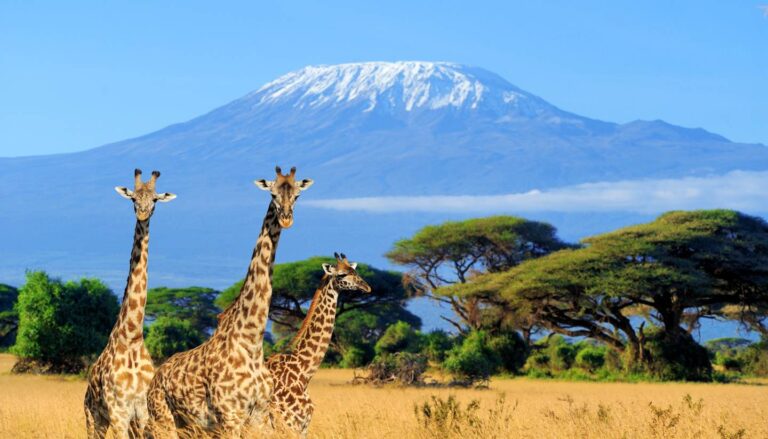
| Amboseli | Large elephant herds with Mount Kilimanjaro in the background on clear days | Camps in and around the park, with open views |
| Tsavo | Wide, wild landscapes and red elephants | Fewer visitors and a more remote feel |
Masai Mara: reserve or conservancy
The Mara is where most people look first. Inside the national reserve you pay park fees, and the area can be busy at peak times, especially around the river crossings. In the surrounding conservancies, camps work with local landowners, and the number of beds and vehicles is capped. That usually means a calmer experience and, at some properties, activities the reserve does not allow, such as night drives and walking safaris. Our guide to Masai Mara conservancy camps goes through the trade-offs, and the page on a luxury Masai Mara safari covers how to plan a longer stay.
Laikipia and Samburu
Laikipia suits travelers who want to do more than sit in a vehicle. Many properties offer walks, horse rides, camel rides and night drives, and the region is known for rhino conservation. Samburu is drier and hotter, and it shows you species you will not see in the Mara. The two regions combine well in one trip.
Amboseli and Tsavo
Amboseli is known for its elephants and for its views of Mount Kilimanjaro, which depend on the weather and are clearest in the morning. Tsavo is large and quiet, and it rewards people who prefer space to crowds.
When to go
Kenya has two main dry periods, roughly from late June to October and from January to February. Wildlife is easier to see in the dry months because animals gather near water and the grass is shorter. The long rains fall around March to May, and a shorter rainy season comes in November. Some camps close or cut their rates during the wettest weeks, so ask what is open when you plan.
The wildebeest migration reaches the Mara in the second half of the year, and the exact timing changes from season to season. If the crossings are your main goal, tell us when you can travel and we will advise on the best window and a camp location that suits it.
What is usually included
The package differs by property, so read your quote line by line. In most luxury tented camps you can expect:
- Accommodation in a private tent with en-suite bathroom
- All meals, often with a bush breakfast or sundowner drink during a game drive
- Two game drives a day, one early and one late, with a driver-guide
- Drinking water, tea and coffee
- Laundry at many camps, though not all
What is often extra: park or conservancy fees, premium drinks, spa treatments, hot-air balloon flights, visits to local communities, and flights between regions. Park and conservancy fees change and differ between the reserve and the conservancies. We list them as a separate line in every quote so you can see what you are paying for.
Safaris that fit this guide
 11-Day Migration Fly-In SafariAmboseli, Samburu and four nights in the Mara11 days · from $7,625 ppView trip →
 10-Day Wings Over Magical KenyaAmboseli, Samburu and the Mara by air10 days · from $7,190 ppView trip →
 6-Day Fly-In Big Five SafariAmboseli elephants and the Mara, by air6 days · from $4,043 ppView trip →
Every trip is private and can be changed to suit you. Get a free, tailor-made quote in 6 hours →
Who tented camps suit
- Couples and honeymooners who want privacy, a veranda and dinner under the stars.
- Photographers who want to be near the action early and late, with flexible game drive timing.
- Families with older children who are comfortable with the night sounds and the safety routine.
- Older travelers who want comfort, short transfers and good service. Look for tents with easy access, no steps and a vehicle that can reach the door.
- Repeat visitors who have done a lodge safari and want something quieter.
Children and age limits
Age rules vary a lot. Some camps welcome children of all ages. Others set a minimum age, often because the camp is unfenced and staff cannot guarantee supervision at every moment. Some restrict children on certain activities such as walking safaris. Tell us the ages of your children when you enquire and we will only suggest camps that accept them.
What to pack for a tented camp
- Layers: mornings and evenings can be cold, and midday can be hot
- Neutral clothing for game drives; avoid very bright colours
- A warm jacket or fleece for early drives
- A hat, sunglasses and sun protection
- A head torch or small torch; camps provide lighting, but a torch is useful
- Insect repellent
- Binoculars and spare camera batteries
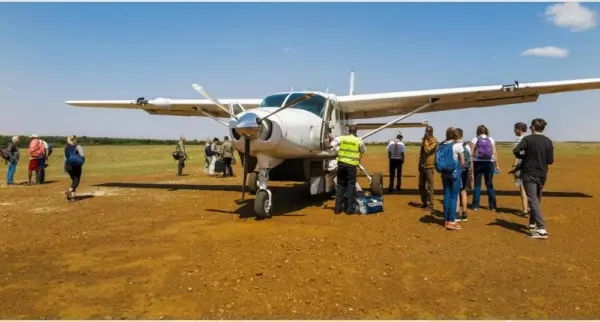
- A soft bag; small aircraft often have luggage limits and do not take hard suitcases
Example trips that include luxury camps and lodges
If you would like a ready itinerary to start from, these are the Kenya trips on our site that suit a luxury stay. Each can be changed to suit your dates and tastes. The 8 Days Ol Pejeta, Masai Mara and Amboseli luxury safari covers three regions in a week and is priced from USD 10,270 per person. The 12-day romance in the wild and by the sea pairs the bush with the coast and starts from USD 7,386 per person. Prices depend on season, group size and lodge choice.
Two trips to start from
10-Day Senior-Friendly Luxury Kenya Safari suits travelers who want comfort, an easier pace and well-chosen stays. From USD 7,000 per person.
7 Days Maasai Mara Migration Safari suits travelers who want the Mara in the migration season without a long itinerary. From USD 4,900 per person.
Prices are per person and depend on season, group size and lodge choice.
How to choose a camp
- Pick the region first. The wildlife and activities depend on where you go, and the camp follows.
- Check the number of tents. A camp with few tents feels quieter and more personal.
- Ask about fencing and night safety. Know how the escort routine works.
- Ask about activities. Night drives, walks and horse rides depend on where the camp sits.
- Confirm what is included. Check fees, drinks, laundry and transfers.
- Check child and accessibility rules if they apply to your group.
- Look at the transfer. Some camps need a flight and a long drive; others are a short transfer from the airstrip.
Get your free safari quote in 6 hours
Tell us your dates and who is traveling. A planner in our Nairobi office replies within 6 hours with a day-by-day itinerary, the camps we suggest and a fully itemised price. No payment is needed to enquire.
Prefer to talk? WhatsApp or call +254 799 871 255.
Frequently asked questions
Are luxury tented camps in Kenya safe?
Yes, when you follow the camp’s rules. Staff escort guests after dark, tents zip fully closed, and food stays out of the tents. Wild animals may pass through an unfenced camp, so never walk alone at night.
Do the tents have real bathrooms?
In a luxury camp, yes. Expect a flush toilet, a basin and a hot shower attached to the tent. A few camps use a traditional bucket shower, but it still delivers hot water on request.
What is the difference between a tented camp and a lodge?
A lodge is a built property with solid walls and usually more rooms and facilities. A tented camp uses canvas on a frame, has fewer rooms and puts you closer to the sounds and feel of the bush.
Are meals and game drives included?
Usually yes. Most luxury camps are full board and include game drives with a driver-guide. Park or conservancy fees, premium drinks and extras such as balloon flights are often separate, and they vary by property.
Can I take children to a tented camp?
It depends on the camp. Some welcome all ages, while others set a minimum age or limit activities for young children. Share your children’s ages when you enquire and we will match you with camps that accept them.
Will I have electricity and wifi?
Most camps run on solar power with enough for lights and charging. Wifi is usually available in the main area and often weak or absent in the tents. Ask in advance if you need a steady connection.
How much does a luxury tented camp safari cost?
It depends on the region, the season and the camp. Our luxury Kenya trips start from USD 4,900 per person for the 7-day Mara migration safari and from USD 10,270 per person for the 8-day three-region luxury safari. Prices depend on season, group size and lodge choice, and we send a fully itemised quote for your dates.


Comments are closed