
 Safari, Wildlife & Conservation
Why Sustainable Safaris in East Africa Matter And How to Choose One
There’s a Lion Alive Because You Chose the Right Safari.
That sounds dramatic. It isn’t.
Right now, lion populations across Africa have declined by more than 40% in three generations. Black rhinos nearly vanished entirely fewer than 6,000 remain on Earth. Cheetahs are disappearing from landscapes they have roamed for millennia. The elephant herds that define what most people picture when they think of Africa are smaller, more fragmented, and more threatened than at any point in recorded history.
And here is the uncomfortable truth that the glossy safari brochures don’t always tell you: tourism can either help or hurt. A safari booked with the wrong operator one that greenwashes its credentials, excludes local communities, or funnels money out of the ecosystem entirely contributes almost nothing to the survival of these animals. It just takes photographs.
A safari booked with the right operator? That is a different story entirely. That safari funds anti-poaching patrols. It pays a ranger’s salary. It builds a school. It gives a Maasai community a financial reason to protect the land that lions and elephants move across instead of converting it to agriculture. It keeps wild places wild.
This is why sustainable safaris in East Africa matter. And this is how you choose one.
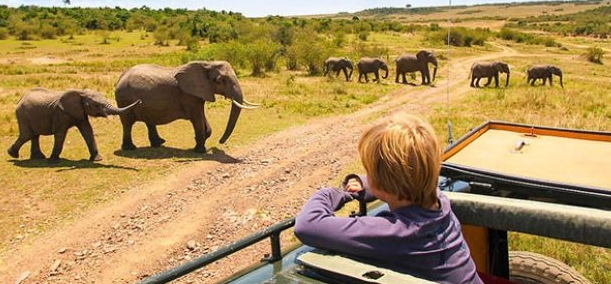
What “Sustainable Safari” Actually Means (And What It Doesn’t)
The word “sustainable” appears in almost every safari brochure printed in the last ten years. Solar panels. Recycled water. Composting bins. These things are real, and they matter but they are the minimum standard, not the definition of a sustainable safari operator.
True sustainability in East Africa runs deeper than infrastructure. It means three things working together, simultaneously:
-
Wildlife Conservation That Is Funded, Not Just Mentioned
A genuinely sustainable safari operator puts money measurable, verifiable money into the protection of wildlife and habitat. This means funding anti-poaching patrols, contributing to critically endangered species programmers, supporting wildlife corridors, and operating in or adjacent to private conservancies where conservation is the primary land use. It does not mean printing a leopard on a brochure and calling it conservation.
Ask your operator: where specifically does the conservation funding go? What organization? How much? What outcomes? If the answer is vague, that is your answer.
-
Local Communities Who Benefit Directly Not Symbolically
For decades, conservation in Africa operated on what experts call the fortress model: fence off the park, keep the communities out, and assume wildlife protection happens in isolation from human welfare. It doesn’t. It never did.
The community conservancy model pioneered in Kenya and now considered the gold standard of responsible tourism in East Africa works differently. Local communities, including the Maasai, Samburu, and many others, lease their ancestral land to responsible tourism operators. In return, they receive a direct, guaranteed income, employment, education, and healthcare. The result: an elephant is no longer a crop-raiding threat. It is a livelihood. It is a school fee. The incentive to protect wildlife becomes economic, and it works.
When you book with an operator invested in this model, your money becomes part of that chain.
-
An Experience That Leaves Less Behind
The environmental footprint of a safari matters too. Low-impact operations solar-powered camps, minimal single-use plastic, water conservation, off-road driving restricted to designated tracks, vehicle limits at wildlife sightings all reduce the cumulative pressure that tourism places on fragile ecosystems. Kenya has banned single-use plastics entirely. Operators who take this seriously enforce it in practice, not just on paper.
|
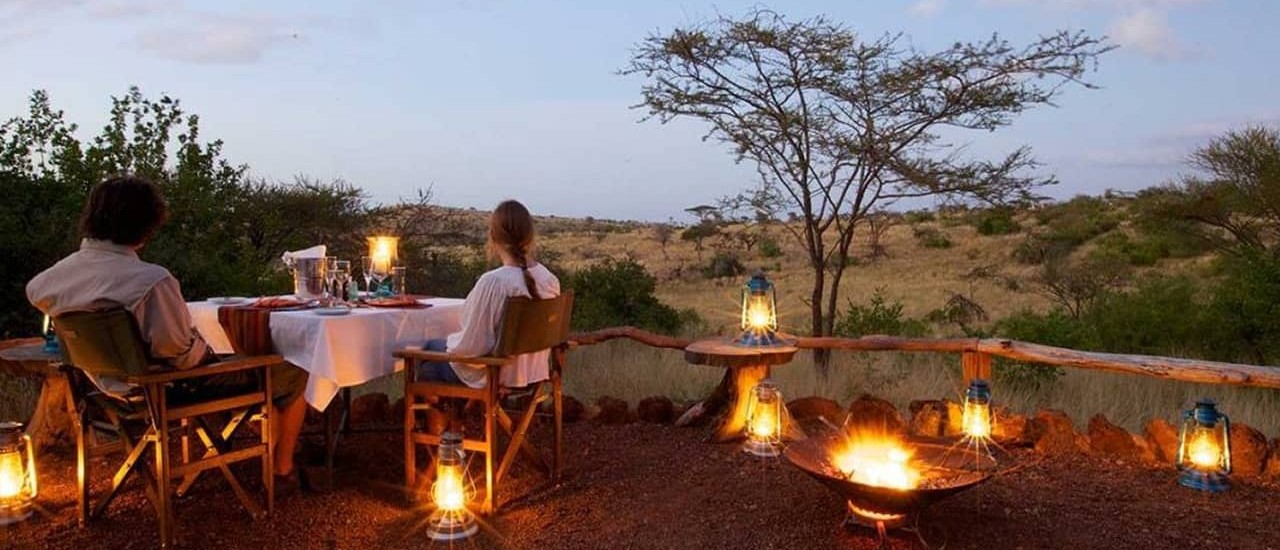
Why East Africa Leads the World in Responsible Safari Tourism
Not all safari destinations are equal when it comes to sustainable tourism. East Africa and Kenya in particular has built an ecosystem of responsible travel that is genuinely ahead of the curve.
- Kenya’s community conservancy model is the most replicated model in African conservation. Private conservancies like Ol Pejeta, Solio, Lewa, Mara North, and Naboisho are living proof that wildlife protection and local prosperity are not in conflict they are the same thing.
- Kenya’s Maasai Mara conservancies banned unguided self-drive vehicles in 2025, reducing vehicle pressure on wildlife and improving the quality of encounters for responsible visitors. This is the kind of structural decision that separates serious conservation destinations from those simply managing tourist numbers.
- Ol Pejeta Conservancy in Laikipia houses the world’s last two northern white rhinos and the largest black rhino sanctuary in East Africa. Every tourist visit directly funds the anti-poaching operations and veterinary care that keep these animals alive.
- Solio Conservancy, also in Laikipia, runs one of the most successful black rhino breeding programmes on the continent. The JW Marriott Solio is built within its boundaries — a model of luxury tourism directly funding critically endangered species recovery.
- The Maasai community’s involvement in the Mara ecosystem through land leases, ranger employment, beadwork cooperatives, and cultural tourism makes the Maasai Mara one of the most genuinely community-integrated conservation areas in the world.
When you come to East Africa with a responsible operator, you are not just a visitor. You are a stakeholder.
How to Choose a Sustainable Safari Operator A Practical Checklist
Greenwashing is real and it is widespread in the safari industry. Here is how to tell the difference between a genuinely sustainable operator and one that has learned the vocabulary without doing the work.
Kenya Association of Tour Operators (KATO) and Kenya Tourism Board Accreditation
KATO — the Kenya Association of Tour Operators is the industry body that sets and enforces operating standards for Kenyan safari operators. A KATO-bonded operator has passed financial and operational scrutiny. Kenya Tourism Board accreditation adds another layer of accountability. These are not decorative badges. They are verifiable, searchable credentials. If an operator cannot confirm KATO membership, that matters.
Ask About Community Benefit Specifically
Not “we support local communities,” but “which communities, by how much, through what mechanism?” A genuinely sustainable operator can answer this precisely. At Entice Africa Safaris, 3% of every safari booked goes directly into local community programmers. We can name the initiatives, the recipients, and the outcomes. So can any operator who is genuinely doing this work.
Check Their Accommodation Partners
Where you sleep matters as much as who drives you. Eco-friendly safari lodges and camps that run on solar power, employ local staff, source food locally, manage water responsibly, and eliminate single-use plastics are the accommodation partners a sustainable operator will choose. Ask your operator why they recommend specific lodges. If the answer is “they give us good rates,” that is not a sustainability answer.
Ask About the Guide
The most sustainable safari in the world is undermined by a guide who positions vehicles too close to animals, pressures wildlife for a better photograph, or dismisses the cultural context of the landscape. A responsible operator employs local, licensed naturalist guides who understand the ecosystems they work in, respect animal behavior, and bring genuine depth to the experience. This is also, practically speaking, how you get better sightings because guides who understand animal behavior know where to be before the animal arrives.
Look for Private Conservancy Options
National parks are important, but private conservancies operate by different rules. Strict vehicle limits at sightings. Off-road game drives permitted. Night drives possible. Walking safaris available. Crowd-free wildlife viewing. And crucially, a direct financial relationship between tourism revenue and conservation. Operators who offer private conservancy options are operating at a higher standard of both sustainability and experience quality.
Transparency on Park Fees
A sustainable operator is transparent about costs, including the conservation fees built into your safari. In the Maasai Mara, park fees are $200 per adult per day (July to December) and $100 (January to June). Private conservancies add their own fees. These are real costs that fund park management and community leases. An operator who hides them in a vague “all-inclusive” quote is not being honest about where your money goes.
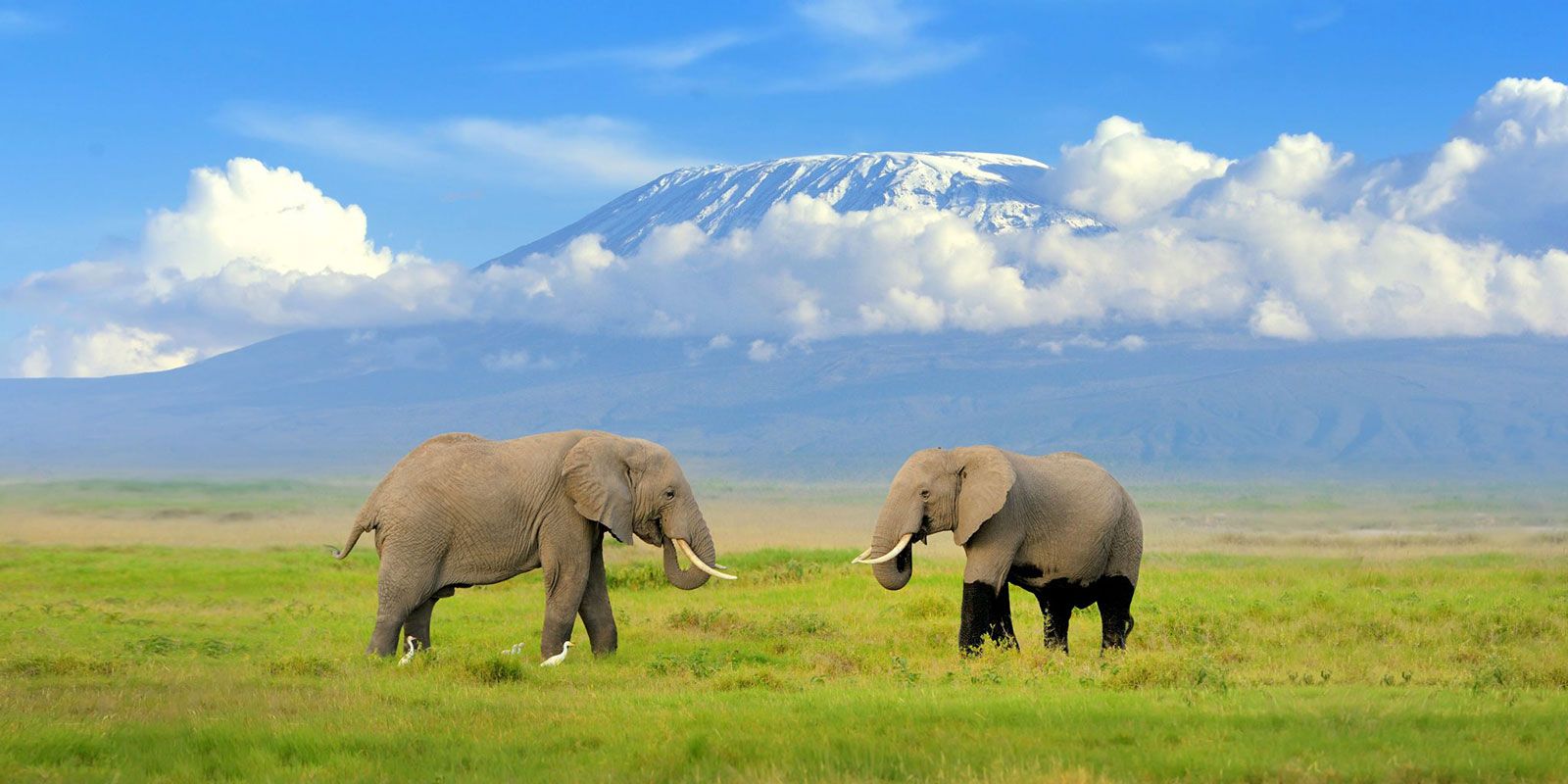
What Your Safari Money Actually Does When You Choose Wisely
Here is what happens, in practical terms, when you book a responsible safari in East Africa with an operator who takes this seriously:
- A community ranger employed through your conservancy fees patrols a wildlife corridor tonight, deterring a poaching attempt on a black rhino.
- A Maasai woman earns an income from a beadwork cooperative supported by cultural tourism, giving her financial independence without leaving her land.
- A solar-powered camp eliminates diesel generator noise that disturbs animal behaviour within the reserve.
- A child in a Laikipia community attends school using fees paid in part by the lodge operating on leased community land.
- A black rhino born in Solio Conservancy is protected by anti-poaching rangers whose salaries are covered by conservation fees from visiting guests.
- A wildlife corridor stays open because the communities on either side of it earn more from responsible tourism than from converting the land to farming.
None of this is abstract. It is the direct consequence of where you choose to spend your safari budget. Every decision compounds.
Entice Insight
The most sustainable safari operators are almost always those with deep roots in the community people who grew up watching these landscapes and have the most to gain from protecting them. That’s why Entice Safaris partners exclusively with locally-led guides, community conservancies, and eco-verified camps.
East Africa’s Most Iconic Sustainable Safari Destinations
Each destination offers something extraordinary — and each rewards responsible, low-impact tourism with experiences you simply can’t replicate anywhere else.
Masai Mara, Kenya
Home of the Great Migration & Big Five. Conservancy safaris here keep vehicle numbers low and wildlife stress even lower.
Laikipia & Samburu
Laikipia’s private conservancies protect rare species like Grevy’s zebra and wild dog, while Samburu’s remote reserves reveal the “Samburu Special Five” — species found nowhere else in Kenya. Community-run conservancies here set the standard for land-rights-based conservation.
Serengeti & Ngorongoro
UNESCO World Heritage Sites. Solar-powered camps and Maasai-led walking safaris make this the gold standard of eco-tourism.
Bwindi, Uganda
Gorilla trekking permits directly fund conservation of the 880 remaining mountain gorillas and Batwa community programmers.
Volcanoes NP, Rwanda
Beyond these headline destinations, Kenya’s Amboseli, Samburu, Tsavo, and Lake Naivasha all offer incredible ethical wildlife encounters with Entice Safaris crafting itineraries that connect the dots beautifully.

Frequent Asked Questions About Sustainable Safaris
Here are the most common questions answered honestly, the Entice way.
What is a sustainable safari in East Africa?
What is the best time for a sustainable safari in Kenya or Tanzania?
Is gorilla trekking in Uganda or Rwanda ethical?
Can I do a sustainable safari on a budget?
How do I know if a safari company is genuinely eco-friendly?
The Entice Africa Safaris Commitment to Responsible Tourism
We are a 100% locally owned, KATO Bonded safari operator based in Nairobi since 2017. We know Kenya’s ecosystems from the inside from the rhino sanctuary at Solio in Laikipia to the lion prides of the Maasai Mara, from the elephant herds of Amboseli to the Samburu Special Five in the north.
Here is what responsible tourism means in our operations:
- 3% of every safari booked with Entice Africa Safaris goes directly into local community programmers. We name the projects and report on outcomes.
- We partner only with lodges and camps that meet genuine environmental and community standards not those that simply claim them.
- Our guides are licensed, local naturalist experts with deep ecosystem knowledge. We do not use subcontracted guides.
- We recommend private conservancy options on every itinerary where the experience and the conservation impact are superior to a national park alternative.
- Every guest travels with a reusable Entice water bottle. We eliminate single-use plastic on all our safaris in the vehicle, at camp, and in the field.
- We are transparent on every cost in your quote, including park fees, conservancy fees, and what each contributes to the landscape you are visiting.
- We are KATO Bonded and Kenya Tourism Board accredited. These credentials are verifiable at katokenya.org and magicalkenya.com.
We do not describe ourselves as perfect. Sustainable tourism is a standard to pursue, not a box to tick. But we pursue it deliberately, and we can show you the evidence.
Trusted by Travelers
“We came for the lions. We stayed for the people, the culture, and the knowledge that our trip actually made a difference. Entice Safaris is the real deal.” — Sarah & Tom, UK
 Trusted by Travelers
Ready to Go?
Your Safari. Your Story. Your Impact.
Plan your sustainable East Africa safari with Entice Safaris today. Whether you’re chasing the Great Migration, trekking gorillas, or dreaming of the Serengeti — we’ll craft the perfect responsible adventure for you.
Comments are closed