
 Destinations, Experiences & East Africa Travel
Shompole and Olkiramatian are two neighbouring Maasai community conservancies in Kenya’s southern Rift Valley, between Lake Magadi to the north and Lake Natron across the Tanzanian border to the south. Sources put them roughly 120 to 180 km from Nairobi, a drive of about 3.5 to 5 hours depending on the route and where you stop. They are hot, dry, wild and quiet, and they suit travellers who want walking, birds and open country more than big crowds. They are one of several areas covered in our guide to Kenya’s wildlife conservancies.
This is a different kind of safari from the Masai Mara. The land is escarpment, acacia woodland, spring-fed forest and soda lake, and a stay here is often added to a longer Kenya itinerary rather than taken on its own. Below we cover where the conservancies are, what you can see and do, the heat, how to get there and who the area suits.
Planning this trip? Get a free quote in 6 hours →
Shompole and Olkiramatian at a glance
| Question | Answer |
|---|---|
| Where | Southern Rift Valley, Kenya, south of Lake Magadi and north of Lake Natron, close to the Tanzanian border |
| Who owns the land | Maasai community group ranches (Shompole and Olkiramatian) |
| Distance from Nairobi | Sources vary from about 120 to 180 km; allow roughly 3.5 to 5 hours by road |
| Landscape | Dry bush, acacia woodland, the Ewaso Ng’iro river, springs, the Nguruman escarpment and soda lakes |
| Best for | Walking, birdwatching, photography, quiet camps, adding a different habitat to a Kenya safari |
| Climate | Hot for most of the year, especially in the middle of the day |
| Named camps | Shompole Wilderness Camp, Lentorre Lodge |
Distance figures differ between sources because the road passes through Magadi town and the camps lie some way beyond it, so we give a range rather than a single number. Your planner will confirm the actual drive for your chosen camp.
What these conservancies are
Shompole and Olkiramatian are group ranches, which means the land belongs to local Maasai families rather than to a government park. Much of the area has been set aside for wildlife and tourism, with income from camps returning to the community. Together the two ranches cover a large area of the southern Rift, and several thousand people live in and around them, mainly Maasai.
That ownership model is the same idea behind the better-known conservancies in the Mara, such as Olare Motorogi. The difference is the setting. Here the Mara’s rolling grassland is replaced by a hotter, drier and more remote corner of the Rift Valley, and visitor numbers are small.
Shompole sits on the Ewaso Ng’iro river and the springs that feed it, which create a green belt of forest in otherwise dry country. Olkiramatian lies to the south, below the Nguruman escarpment, and is the home of Lentorre Lodge. Both conservancies are close enough to be combined in one trip.
Wildlife you can expect
Do not expect the dense herds of the Mara. This is a quieter, more scattered kind of game viewing, and the rewards come from patience and time on foot. Species commonly associated with this part of the Rift include:
- Plains game such as zebra, Maasai giraffe, impala, Grant’s gazelle and eland
- Lesser kudu, a shy antelope of dry thornbush country
- Gerenuk and other dry-country specialists
- Elephants and buffalo, which move through the region
- Predators including lions, leopards, cheetahs and hyenas, though sightings are never guaranteed
- Baboons and other primates along the river and spring forests
As with every conservancy, sightings depend on season, luck and your guide. Camps in this area are known for birds and landscape as much as for big cats, so it helps to arrive with that in mind.
Birds and flamingos
The birdlife is a major draw. The spring forests, river and open bush hold a wide mix of species, and the nearby soda lakes bring waterbirds. Lake Magadi regularly holds lesser flamingos along its edges, along with pelicans and many waders, and Lake Natron, just across the border in Tanzania, is famous as a breeding site for lesser flamingos. Numbers at Magadi change with water levels and season, so treat flamingo sightings as likely rather than certain.
Things to do
Walking
Walking with an armed ranger or guide is one of the best reasons to come. On foot you notice tracks, plants, insects and birds that a vehicle passes by. Walks usually start early, before the heat builds.
Game drives
Drives cover the open bush and the river. Because the conservancies are community land, the camps can often offer drives at dawn, dusk and sometimes after dark, depending on the rules of the camp you choose.
Springs, river and escarpment
The Ewaso Ng’iro river, spring pools and the Nguruman escarpment give variety that a flat plain does not. Photographers often find the light on the escarpment worth the early start.
Lake Magadi
Lake Magadi is the nearest soda lake, with pink and white shoreline crusts, shallow water and flamingos. Many visitors fit in a morning visit from camp, or from Nairobi as a day trip. Our guide to a Lake Magadi day trip from Nairobi explains that option in detail.
Meeting the community
Because the land is Maasai-owned, a visit can include time with local people, though what is offered depends on the camp. Ask your planner what is available and how the visit is arranged, so that it is respectful and benefits the community.
Where to stay
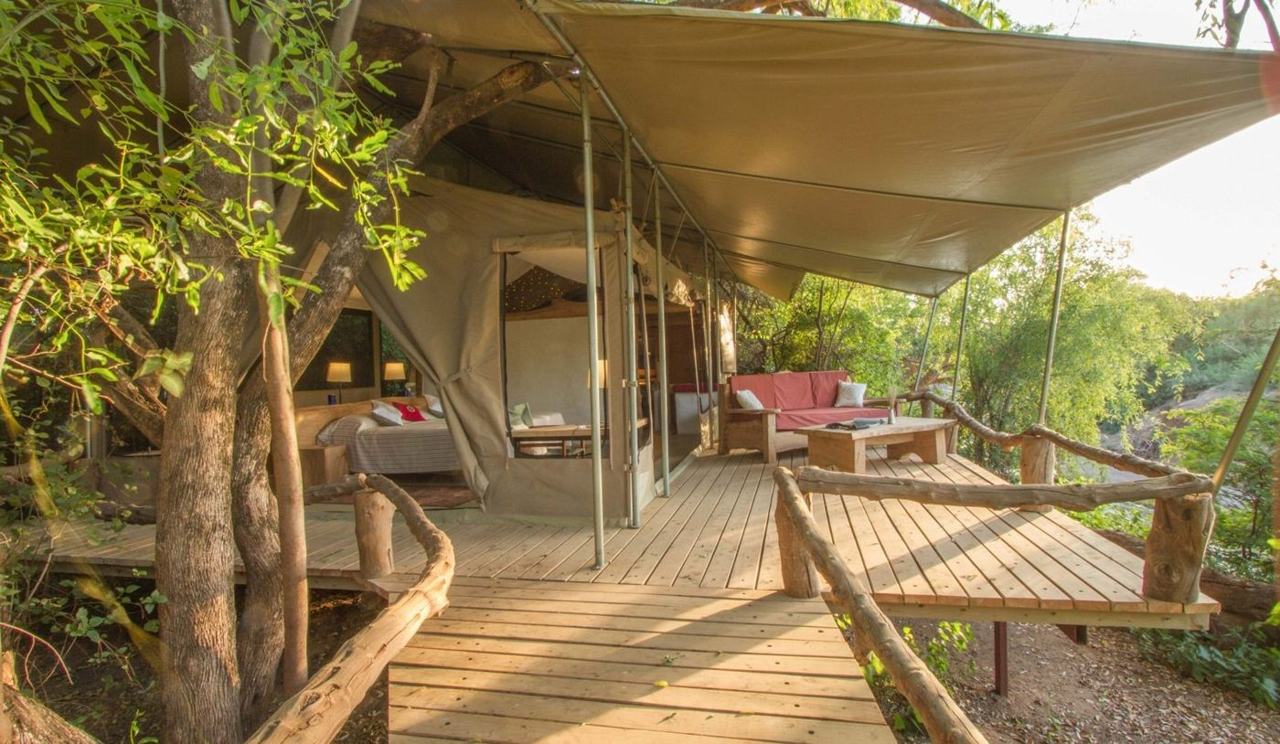
Accommodation here is small and remote, usually a handful of tents or rooms.
| Camp | Where | What it is known for |
|---|---|---|
| Shompole Wilderness Camp | Shompole | Riverside and spring setting, birds, walking; included on our Kenya photography itinerary |
| Lentorre Lodge | Olkiramatian, below the Nguruman escarpment | Spring-fed setting in the heart of the conservancy, with access to the soda lakes |
We do not quote camp rates here, because prices change with season and availability. A planner will give you a fully itemised price for the camp that fits your dates.
Trips that include this part of Kenya
11 – Day Best of Kenya Photography Hide Safari
For photographers and keen wildlife watchers who want a longer trip with Shompole Wilderness Camp in the mix. No published price; ask for a tailor-made quote.
Lake Magadi Day Trip
For travellers who are short on time and want to see the soda lake and flamingos from Nairobi. No published price; ask for a tailor-made quote.
How to get there from Nairobi
Most visitors drive. The road south-west from Nairobi leads through Ongata Rongai and Kiserian toward Magadi town, then continues on rougher tracks to the conservancies. A 4×4 with a driver-guide is the sensible choice, and your camp will tell you where to meet.
| Route | Approximate time | Notes |
|---|---|---|
| Nairobi to Magadi town | About 2 to 3 hours | Paved road for much of the way; traffic leaving Nairobi can add time |
| Magadi town to the camps | Allow an additional 1 to 2 hours | Distances quoted by sources vary; the last stretch is rough |
| Nairobi to the camps in total | About 3.5 to 5 hours | Longer after rain or when you stop at the lake |
These are planning figures from operators and travel guides, not exact timings. Some camps arrange light-aircraft transfers, which your planner can price on request.
Safaris that fit this guide
 10-Day Wildlife Photography SafariAmboseli, Nakuru and the Mara with a camera10 days · from $3,770 ppView trip →
 9-Day Hidden Northern Kenya SafariLaikipia, Meru and Samburu off the beaten track9 days · from $4,730 ppView trip →
 12-Day Best of Kenya Photography SafariSamburu, Nakuru and the Mara for photographers12 days · from $3,900 ppView trip →
Every trip is private and can be changed to suit you. Get a free, tailor-made quote in 6 hours →
Heat, seasons and what to pack
This is among the hottest parts of Kenya’s safari country. The Rift floor is low and dry, so midday temperatures can be high even in the cooler months.
- Dry months (roughly June to October, and January to February): easier roads, animals concentrate near water, clearer walking conditions.
- Rainy months (roughly March to May and November to December): greener scenery and good birding, but some tracks become slow or difficult.
Pack lightweight long sleeves and trousers in neutral colours, a wide-brimmed hat, strong sunscreen, sunglasses, a refillable water bottle, closed walking shoes or boots, binoculars and insect repellent. Bring a warm layer for early mornings. A good camera with a long lens is worth the weight here.
Who the area suits
- Walkers and birders: the main audience, because the habitat is varied and the pace is slow.
- Photographers: for escarpment light, water, birds and low crowds.
- Repeat Kenya visitors: who have seen the Mara and want something different.
- Travellers short on time: who can add a night or a day trip near Magadi.
It is less suited to anyone whose main aim is a Big Five checklist or the Great Migration, and to those who dislike heat or long, bumpy drives. For those goals, look at the Amboseli conservancies, the Samburu community conservancies or the conservancies around Lake Naivasha and Nakuru.
Sample plans
| Length | Plan |
|---|---|
| Day trip | Nairobi to Lake Magadi and back, with flamingo viewing and a stop in Magadi town |
| 2 nights | Drive to a camp in Shompole or Olkiramatian, walk and drive on the first afternoon, full day on the second, return to Nairobi |
| Longer Kenya trip | Southern Rift stay combined with the Mara, Amboseli or the Aberdare and Mount Kenya region |
Get your free safari quote in 6 hours
Tell us your dates and who is travelling. A planner in our Nairobi office replies within 6 hours with a day-by-day itinerary, the camps we suggest and a fully itemised price. No payment is needed to enquire.
Prefer to talk? WhatsApp or call +254 799 871 255.
Frequently asked questions
Where are Shompole and Olkiramatian?
They are in Kenya’s southern Rift Valley, south of Lake Magadi and north of Lake Natron, close to the Tanzanian border. Shompole lies along the Ewaso Ng’iro river and Olkiramatian lies below the Nguruman escarpment.
How far are they from Nairobi?
Published figures range from about 120 to 180 km. Plan on roughly 3.5 to 5 hours by road, including the rougher final stretch beyond Magadi town.
Can I visit in one day?
The conservancies themselves are better with at least one night, because of the drive. A day trip from Nairobi works well for Lake Magadi and its flamingos instead.
When is the best time to go?
The drier months make roads and walking easier and concentrate animals near water. The wetter months are greener and good for birds, but some tracks slow down. It is hot year-round, so early starts matter in any season.
Is it good for the Big Five or the Great Migration?
No. The area is valued for walking, birds, landscape and quiet, not for dense herds. The Migration is a Masai Mara experience, and larger populations of big game are found elsewhere in Kenya.
Are there park or conservancy fees?
Fees for community land and for visits to Lake Magadi depend on the camp and change over time, so we do not list amounts. Your quote will itemise them. Fees last verified: October 2026.
How much does a trip cost?
It depends on the camp, the season and how many people travel. Our photography itinerary and the Magadi day trip have no published price, so we prepare a tailor-made quote for each.


Comments are closed