
 Destinations, Experiences & East Africa Travel
Naboisho Conservancy is a private wildlife area of about 50,000 acres on the north-eastern edge of the Masai Mara, next to the national reserve. It is known for big cats, walking safaris, night drives and a strict limit on beds, which keeps the game drives quiet. It is one of the best-run parts of the wider Kenya wildlife conservancies network, and this guide covers what you can do there, which camps operate in it, when to go and what to ask before you book.
The Masai Mara’s easternmost border is about 224 km (139 miles) from Nairobi, and Naboisho lies on that north-eastern side. Most visitors reach it by a scheduled flight to a nearby airstrip, followed by a short game drive to camp, or by a long road transfer. Either way, you only need to choose a camp inside or beside the conservancy, because only guests staying at member camps may game drive there.
Planning this trip? Get a free quote in 6 hours →
Naboisho Conservancy at a glance
| Quick fact | Detail |
|---|---|
| Where | North-eastern edge of the Masai Mara, adjoining the national reserve |
| Size | About 50,000 acres (the Mara Conservancies association gives 22,500 hectares) |
| Who owns the land | Maasai landowners, who lease it for tourism and receive a lease fee |
| Bed limit | Fewer than one bed per 350 acres |
| Camps | Around eight, from small tented camps to a seasonal mobile camp |
| Walking safaris | Yes, with an armed ranger or guide, which the reserve does not allow |
| Night drives | Yes, in designated areas and usually back at camp by about 10 pm |
| Off-road driving | Allowed in conservancies under their rules, not in the reserve |
| Self-driving | Not permitted |
| Known for | Lions, cheetah and leopard, quiet sightings, walking |
The land belongs to hundreds of Maasai families. They lease it to the conservancy, which means income reaches landowners from tourism and the land stays open for wildlife. Some conservancies also allow herders to graze cattle at set times, so you may see livestock beside wildlife. Landowner numbers differ between published sources, so we leave them out.
Why Naboisho is different from the national reserve
Inside the Masai Mara National Reserve, vehicles stay on marked tracks, night drives are not allowed and neither are walking safaris. Conservancies set their own rules, and Naboisho uses that freedom for quality over numbers.
- Few beds. With fewer than one bed per 350 acres, there are fewer vehicles. A sighting is more likely to be shared with one or two other cars than with a dozen.
- A vehicle cap. One travel company reports a limit of four vehicles at each sighting in Naboisho. It is not an official figure, so ask your camp how it works in practice.
- Off-road driving for wildlife. Guides can leave the track under conservancy rules, which helps with cheetah hunts and den sites.
- Walking and night drives. Both are allowed, so the day does not have to stop when the sun sets.
- Private access. Only guests at member camps can drive there, and self-drive is not permitted.
If you want the full comparison, read our guide to the Masai Mara National Reserve versus the conservancies. For a wider look at the camps across several conservancies, see Masai Mara conservancy camps with fewer vehicles, night drives and walks.
What you can see in Naboisho
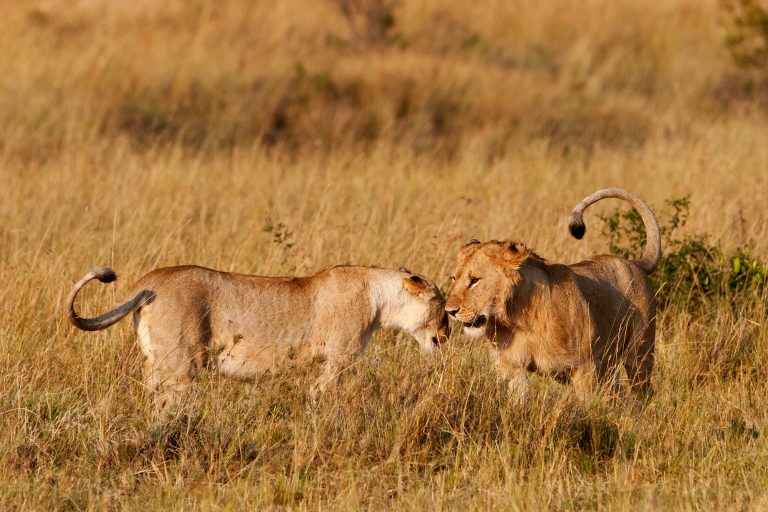
Naboisho is known for predators. The Mara Predator Conservation Programme, run by Kenya Wildlife Trust, works with lions across the greater Mara ecosystem from a hub in the neighbouring Olare Motorogi Conservancy, very close to the Naboisho border. Lions are the animal most guests come hoping to see, and the open grassland of the conservancy gives you a good chance of finding prides, often with cubs.
Travel guides also single out cheetah and leopard here. The short grass, scattered croton thickets and quiet roads suit cheetah, which hunt by sight and avoid crowded sightings. Elephant, giraffe, zebra, topi, eland and buffalo are regular sights on the plains too. Numbers of individual animals change every year, so no guide can promise a particular sighting. Your camp’s guides will know where the prides were last week.
Lion viewing
Lions are more active at dawn and dusk, so morning and late-afternoon drives usually give the best viewing. In the conservancy you can stay with a pride for longer than you would at a crowded reserve sighting. If you stay three nights or more, you also get time to follow a pride across several days.
Walking safaris
Walks are led by an armed ranger and a guide, and Maasai guides lead them in Naboisho. They are slower than a drive. You learn tracks, dung, birds, insects and plants, and you meet the plains at ground level. Zebra and giraffe often stand and watch you. Vehicles must keep away from walking groups. Walks suit most reasonably fit visitors, but check age limits with the camp.
Night drives
Night drives run in designated areas with red filters on the lights. Mara North Conservancy, a neighbour, requires guests back in camp by 10 pm and lets cubs be viewed at night only from four months old. Naboisho camps work to similar practice. Night drives are where you find aardvark, bat-eared fox, genet, civet and hunting lions.
Where to stay in Naboisho
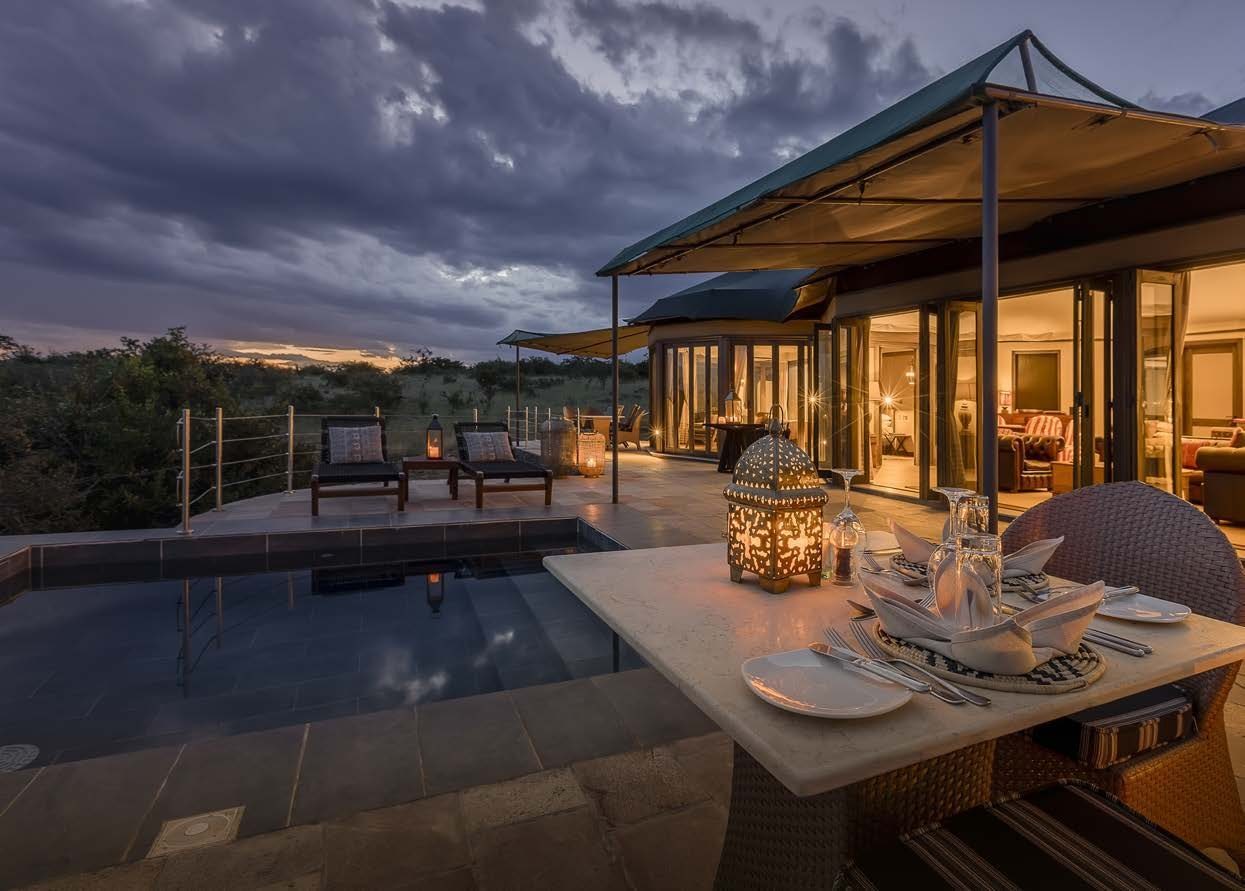
Safari directories list around eight camps inside the conservancy. We do not rate them here, since the directories do not agree on price tiers, so ask us for the current options.
| Camp | Good to know |
|---|---|
| Naboisho Camp | Inside Naboisho Conservancy |
| Kicheche Valley | Inside Naboisho Conservancy |
| Encounter Mara | Inside Naboisho Conservancy |
| Saruni Eagle View | Also called Basecamp Eagle View |
| Saruni Leopard Hill | Also called Basecamp Leopard Hill, described as a good choice for couples and families |
| Basecamp Wilderness Camp | Inside Naboisho Conservancy |
| Hemingways Ol Seki Mara | Has a two-bedroom family unit; on our 12-day honeymoon trip |
| Kicheche Walking Wilderness | A temporary dome-tent camp, described as seasonal and mobile |
Mara Nyika sits close by, but directories disagree on whether it is inside the conservancy or just outside it. Camp lists change, and directories are not booking systems, so we confirm availability with each camp before any itinerary is offered.
Hemingways Ol Seki Mara features on our 12 Days of Romance in the Wild and by the Sea trip, a honeymoon that pairs the Mara with the Kenyan coast.
How Naboisho compares with the other conservancies
| Conservancy | Approximate size | What it is known for |
|---|---|---|
| Mara Naboisho | About 50,000 acres | Walks, fly camping, cheetah, leopard, fewer vehicles |
| Mara North | About 70,000 acres | The largest conservancy, with around 15 camps |
| Olare Motorogi | About 33,000 acres | One of the densest lion populations in East Africa |
| Ol Kinyei | About 18,500 acres | Two camps and a quiet feel |
Sizes are rounded, because the published figures for each conservancy do not always match. For the others, read our guides to Olare Motorogi, Mara North and Ol Kinyei.
Fees and what is included
Conservancy fees are separate from the reserve entry fee. Africa Geographic notes that conservancy rates are generally higher than reserve rates, partly because land-lease fees go to Maasai landowners. No official Naboisho tariff was found. Travel guides give figures of roughly USD 80 to 150 per adult per night for the private conservancies, with lower rates for children. Treat that as a range from travel guides, not a quote.
Conservancy fees are normally part of the nightly camp rate for guests staying in the conservancy, but ask every camp whether they are included. Also ask how fees combine on a day when you cross into the reserve, for example on a balloon flight or a trip to the Mara River. Fees last verified: October 2026.
Safaris that fit this guide
 9-Day Big Cat SafariLions, leopards and cheetahs: Mara, Nakuru, Samburu9 days · from $4,900 ppView trip →
 3-Day Masai Mara SafariBig cats and the Mara in a long weekend3 days · from $1,420 ppView trip →
 9-Day Hidden Northern Kenya SafariLaikipia, Meru and Samburu off the beaten track9 days · from $4,730 ppView trip →
Every trip is private and can be changed to suit you. Get a free, tailor-made quote in 6 hours →
How to fit Naboisho into a trip
Most people combine the conservancy with time in the reserve or elsewhere in Kenya. Here are three simple patterns.
- Short trip. Our 3-Day Maasai Mara Roar and Roam Safari gives a first taste of the Mara from USD 1,420 per person. The Maasai village visit costs USD 30, paid on the day.
- A week for the migration. Our 7 Days Maasai Mara Migration Safari is from USD 4,900 per person.
- A honeymoon. The 12-day romance trip pairs bush and beach, with Hemingways Ol Seki Mara in Naboisho.
All Entice from-prices are midrange, low season, two sharing. Final prices depend on season, group size and lodge choice. An optional Masai Mara hot-air balloon flight is USD 550 per person.
Two ways to see the Mara
- 7 Days Maasai Mara Migration Safari: for travellers who want a full week on the plains. From USD 4,900 per person.
- 12 Days of Romance in the Wild and by the Sea: for couples who want bush and beach, including Hemingways Ol Seki Mara. From USD 7,386 per person.
Best time to visit Naboisho
The Mara has wildlife all year. The wildebeest migration usually reaches the Mara from the Serengeti in July and August, but Naboisho is not on the main river-crossing route, so many guests visit for the resident predators instead. The table gives a general picture, and dates change from year to year.
| Season | What to expect |
|---|---|
| January to February | Warm and mostly dry, good for predators on short grass |
| March to May | Long rains, fewer visitors, some camps close |
| June to October | Dry season, the busiest months, with migration herds in the wider Mara |
| November to December | Short rains, green landscapes, fewer crowds |
Some camps close during the wetter months, and dates vary, so confirm current opening dates before you choose your month.
What to pack and how to prepare
- Neutral colours such as khaki, olive or tan. Avoid bright white and dark blue.
- Layers, since early mornings and night drives are cool.
- Closed shoes that grip, for walks.
- A hat, sunscreen and sunglasses.
- Binoculars, if the camp does not lend them.
- A camera with a zoom lens.
Keep your voice low, stay in the vehicle near animals and follow your guide on walks. Small charter flights have luggage limits, so ask for the current allowance when you book.
Who Naboisho suits
Naboisho suits travellers who want fewer vehicles, walking and night drives, and who accept a higher nightly rate. Families should ask about child age limits at each camp, because they vary. If your budget is tighter or you want the river crossings, the reserve may suit you better, and a mix of both is possible. For a broader overview of the region, read our complete Masai Mara safari guide.
Get your free safari quote in 6 hours
Tell us your dates and who is travelling. A planner in our Nairobi office replies within 6 hours with a day-by-day itinerary, the camps we suggest and a fully itemised price. No payment is needed to enquire.
Prefer to talk? WhatsApp or call +254 799 871 255.
Frequently asked questions
Where is Naboisho Conservancy?
It is on the north-eastern edge of the Masai Mara in south-western Kenya, next to the national reserve. It covers about 50,000 acres.
Can I self-drive in Naboisho?
No. Self-driving is not permitted in the conservancies, and only guests staying at member camps may game drive there.
Are walking safaris and night drives allowed?
Yes. Both are offered in conservancies and are not permitted in the Masai Mara National Reserve. Walks are led by an armed ranger and guide.
Will I see lions?
Lions are one of the main reasons to visit, and the wider Mara has a strong lion population. No one can promise a sighting, but a guide who knows the area gives you a good chance.
How much does it cost to stay?
Camp rates are not published here because sources do not state them. Travel guides suggest conservancy fees of about USD 80 to 150 per adult per night, often included in the camp rate. Ask us for a quote that shows exactly what is included.
Is Naboisho suitable for children?
Some camps welcome families, and Hemingways Ol Seki Mara has a two-bedroom family unit. Age limits differ, so we confirm them with each camp before booking.
Can I combine Naboisho with the reserve?
Yes. Many guests spend some nights in a conservancy and some near the reserve gates, which lets you enjoy both quiet sightings and the wider Mara. Ask us how the fees combine on days that cross the boundary.


Comments are closed