

What are the Mara conservancies?
The Mara conservancies are community-owned private wildlife areas bordering Kenya’s Maasai Mara National Reserve. There are more than 24 of them, covering over 450,000 acres of the wider Mara ecosystem. Unlike the main reserve, each conservancy caps the number of beds and vehicles, allows night game drives, walking safaris, and off-road wildlife tracking none of which are permitted inside the national reserve. The most established are Mara North, Mara Naboisho, and Olare Motorogi.
Key Takeaways
- The Mara conservancies are private, community-owned lands bordering the Maasai Mara National Reserve not part of it.
- They allow night drives, walking safaris, and off-road tracking. The national reserve allows none of these.
- Vehicle and bed numbers per conservancy are strictly capped, so encounters are private, unhurried, and rarely shared with another vehicle.
- Conservancy fees (typically USD 100–120 per person per night in 2025–26) are usually included in your camp rate and go directly to Maasai landowners and community programmes.
- Mara North suits those who want riverine terrain and a classic Mara landscape. Naboisho suits those who want density, cats, and a high chance of lion sightings. Olare Motorogi suits photographers and repeat visitors.
You can combine two conservancies in a single trip for a meaningfully richer experience
| Question | Short Answer |
|---|---|
| What Is a Mara Conservancy? | A community-led or community-conserving wildlife area on private or community land within the wider Maasai Mara ecosystem, generally with limits on visitor numbers and accommodation capacity. |
| How Many Are There? | The wider Mara ecosystem contains numerous conservancies. Counts and total acreage vary depending on the boundaries and definition used. |
| Key Activities Allowed | Depending on the conservancy's rules, activities may include night game drives, guided walking safaris and off-road wildlife viewing. These activities are generally restricted within the Maasai Mara National Reserve. |
| Conservancy Fees | Fees depend on the conservancy, property and travel dates. Confirm the current rate and whether it is included in your accommodation package before booking. |
| Best Time to Visit | July to October for potential Great Migration viewing. January to February can offer rewarding wildlife encounters and, at selected properties, fewer visitors. |
| Best For | Travellers seeking privacy, personalised guiding, immersive wildlife experiences and a more intimate safari away from busier viewing areas. |
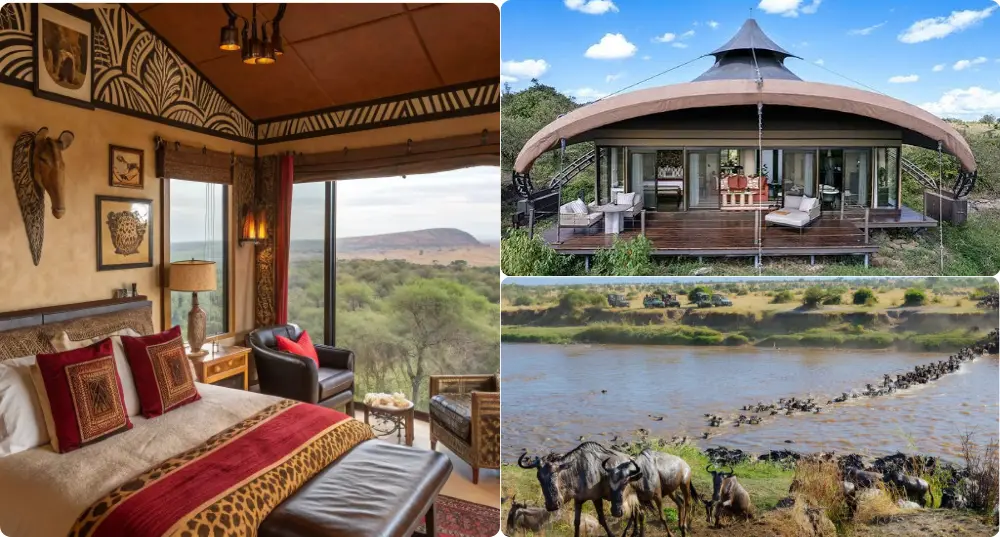
What Makes a Mara Conservancy Different
The Maasai Mara National Reserve is Kenya’s most celebrated wildlife destination, and rightly so. But it is a public park. On busy mornings during the Great Migration, fifteen vehicles can circle the same lion. The sunrise belongs to everyone.
The conservancies operate under a different principle.
They were established through agreements between conservation organisations and Maasai landowners, who lease their community land in exchange for direct income, employment, and a share of conservation fees. Each conservancy sets a firm ceiling on the number of beds it sells. Fewer beds means fewer vehicles. Fewer vehicles means the sunrise, and the lion, are yours.
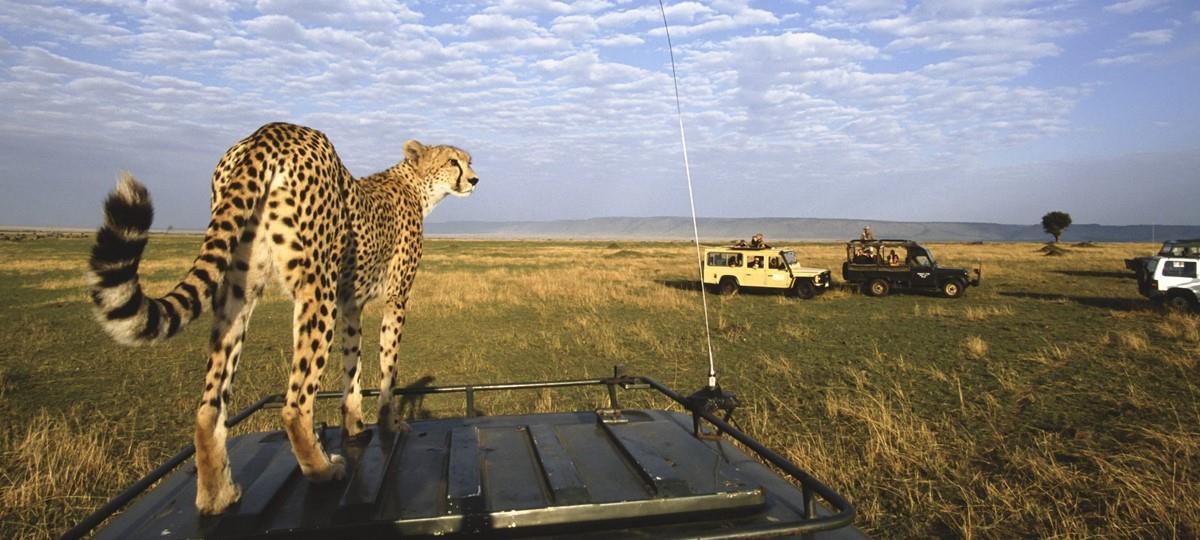
The activities are different too. Inside the national reserve, game drives stop at dusk. Off-road driving to follow an animal into open grass is not permitted. Guided walks on foot are not allowed.
In a private conservancy, all three are standard.
Night drives open a different Africa entirely leopards moving along river lines, aardvarks foraging in the dark, the soft luminescence of a hyena’s eyes. Walking safaris return you to the pace of the bush in a way that no vehicle can replicate. And off-road tracking following a cheetah or a lion coalition across open grass, positioning for the light is the difference between a photograph and a memory.
The Main Mara Conservancies: A Clear Comparison
There are more than 24 conservancies in the wider Mara ecosystem. These five are the most established and the ones Entice Africa Safaris works with most closely.
Each conservancy offers a distinctive safari experience. Compare their locations, landscapes, wildlife priorities and comfort options to help choose the right setting for your Kenya safari.
| Conservancy | Size & Location | Best For | Comfort Level |
|---|---|---|---|
| Mara North | 74,000 acres NW of the reserve | Riverine terrain, classic Mara scenery and varied wildlife experiences. | Comfort to High Comfort |
| Mara Naboisho | 50,000 acres East of the reserve | Strong lion-viewing opportunities, photography and access to seasonal migration activity. | High Comfort to Exclusive |
| Olare Motorogi | 35,000 acres NE of the reserve | Open savannah, predator-focused game drives and repeat safari visitors. | High Comfort to Exclusive |
| Ol Kinyei | 17,000 acres SE of the reserve | Walking safari opportunities, fewer vehicles and a quieter wilderness atmosphere. | Comfort |
| Mara Siana | 105,000 acres South of the reserve | Wide-open landscapes and an alternative safari setting. | Comfort to High Comfort |
Each Maasai Mara conservancy offers a distinctive safari experience. From big-cat encounters and open savannahs to guided walking safaris and quieter wilderness settings, the right choice depends on your wildlife interests, preferred activities and style of travel.
Mara North Conservancy
Covering approximately 74,000 acres, Mara North is one of the larger conservancies in the Maasai Mara ecosystem. Its varied landscapes include open grasslands, riverine woodland and areas that provide a strong sense of space and seclusion.
Established guiding operations and a range of wildlife habitats make it appealing to travellers seeking a well-rounded safari, with opportunities to encounter big cats on the plains and elephants near watercourses.
Mara Naboisho Conservancy
Mara Naboisho is particularly popular with repeat safari travellers for its strong predator-viewing opportunities, open plains and conservation-focused tourism model. The conservancy is known for its notable lion population and carefully managed visitor numbers.
During the Great Migration season, migrating herds may move through the wider Mara ecosystem, creating exciting viewing opportunities when their movements align with the conservancy. Where permitted, off-road driving can also help guides position vehicles for wildlife observation and photography.
Olare Motorogi Conservancy
Olare Motorogi Conservancy covers approximately 35,000 acres of savannah north of the Maasai Mara National Reserve. Formed through the combination of the former Olare-Orok and Motorogi conservancies, it has become an established example of community-linked conservation and low-density tourism.
Its open terrain can make wildlife easier to observe, with opportunities to encounter cheetahs, lions and other predators. The experience is particularly rewarding for travellers who appreciate extended game drives and guides who take time to interpret animal behaviour.
Ol Kinyei Conservancy
Ol Kinyei is a smaller conservancy known for its intimate wilderness atmosphere and community conservation approach. Its landscape and selected camp offerings can suit travellers who prefer a quieter safari with opportunities to explore the bush beyond conventional game drives.
Guided walking safaris may be available through participating camps, subject to local rules, guide assessments and operating arrangements. The emphasis can be on tracking, learning about smaller wildlife and understanding the ecosystem at a slower pace.
Conservancy fees and accommodation costs vary by property, season and package. Request a current quotation before comparing the total cost with other conservancies.
Reserve or Conservancy: How to Decide
Most travelers arriving at this question fall into one of two situations.
If it is your first Kenya safari, the national reserve is a perfectly sound choice. It has more lodges at a wider range of price points, the migration herds are just as present, and the wildlife is exceptional. The tradeoff is sharing the experience.
If you have been to Kenya before, or if the idea of a vehicle-to-yourself dawn drive is more important to you than the number of nights you can afford, a conservancy will almost certainly be the better fit.
The practical differences are these:
- Night drives: not permitted in the reserve, standard in all Mara conservancies.
- Walking safaris: not permitted in the reserve, available in most conservancies (Ol Kinyei is particularly strong for this).
- Off-road driving: not permitted in the reserve, allowed in conservancies for tracking wildlife.
- Vehicle limits at sightings: no formal cap in the reserve; strictly enforced in every conservancy.
- Fees: reserve entry is USD 80 per adult per day (Narok County, as of 2025); conservancy fees (USD 100–120 per night) are usually bundled into your camp rate.
Some travelers combine both in one itinerary two nights in a conservancy, then a full day in the reserve for the river-crossing access during migration season. Entice Africa Safaris plans this combination regularly.
What Your Conservancy Fee Actually Pays For
This is a question worth asking and not all operators answer it clearly.
Conservancy fees go directly to Maasai landowners who lease their community land to the conservancy. A portion funds ranger salaries, anti-poaching patrols, and community infrastructure including schools and medical facilities. The model is designed to make the wildlife on that land more valuable to the community than the cattle it replaces.
During the years when conservancies nearly collapsed under the economic pressure of the pandemic, the Mara ecosystem contracted sharply. Wildlife retreated. The correlation between funded conservancies and healthy wildlife populations is not incidental it is causal.
When you book a conservancy camp, your nightly rate is part of that system. The exclusivity you are paying for and the conservation you are funding are the same thing.
Comfort Levels in the Mara Conservancies
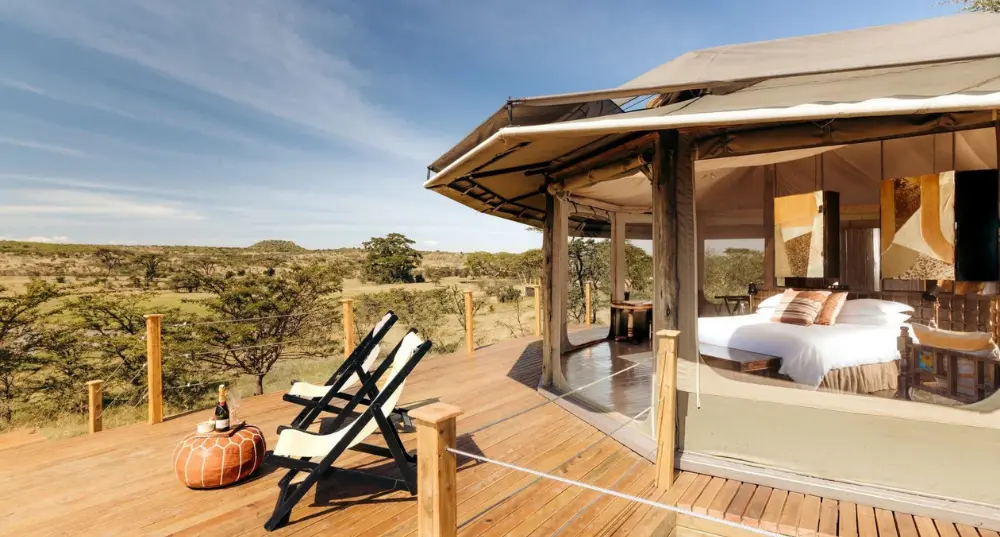
Conservancy camps range from classic canvas tented camps with shared ablution facilities to fully serviced permanent lodges with plunge pools, butler service, and curated wine lists. The conservancy you choose does not determine the comfort level the camp you select within it does.
A few reference points:
- Comfort level: Camps with private en-suite tents, good meals, and attentive service. These exist in most conservancies and represent excellent value for the experience.
- High Comfort level: Camps with private decks, larger tents or suites, superior guiding, and a more curated guest experience. Naboisho and Mara North have several.
- Exclusive level: Camps where the ratio of staff to guests is unusually high, where activities are entirely private, and where nothing about the experience is shared unless you choose to share it. These exist in Mara North and Olare Motorogi in particular.
Entice Africa Safaris places most international clients in the High Comfort to Exclusive tier. If you want a private vehicle, a specific guide, and the flexibility to adjust the day to your group’s pace, this is the range where those things are reliably available.
Best Time to Visit the Mara Conservancies
July to October is the most popular window, and the Great Migration is the primary reason. The wildebeest herds enter the Mara from Tanzania from late July, with dramatic Mara River crossings building through August and September before the herds begin their return south in October.
January and February are increasingly the choice of experienced travelers. The herds have gone, but the resident wildlife is exceptional lions, leopards, and cheetahs are present year-round and the conservancies have a fraction of the vehicles. Green-season light is also significantly better for photography than the dust-heavy conditions of peak August.
April and May (the long rains) are the quietest months. Some smaller camps close, and road access to certain conservancies becomes difficult. Not the recommended window for a first conservancy visit.
Frequently Asked Questions
Can I drive myself in a Mara conservancy?
No. Self-drive is not permitted in any of the private Mara conservancies. All game drives are conducted in the camp’s own vehicles with a licensed guide. This is part of what keeps vehicle numbers manageable and guiding standards high.
Do conservancy fees include reserve access?
Not automatically. Conservancy fees cover access to the conservancy land. If your itinerary includes game drives into the Maasai Mara National Reserve for example, to reach river-crossing points during migration season separate reserve entry fees apply. These are typically USD 80 per adult per day (Narok County rate, 2025). Entice Africa Safaris itemises all fees in every quote.
Is it possible to stay in two conservancies on one trip?
Yes, and it is an itinerary we recommend for stays of five nights or more in the Mara ecosystem. Combining Mara North and Naboisho, for example, gives you different terrain, different wildlife densities, and a richer picture of the ecosystem as a whole. A road transfer between most conservancies takes 30 to 60 minutes.
What is the minimum stay recommended in a conservancy?
Three nights is the practical minimum to see the full range of activities at least two full days of game drives, one night drive, and ideally one walking safari. Two nights is possible but leaves less room for the unexpected, which is often where the best sightings come from.
Plan your Mara conservancy safari with Entice Africa Safaris
Tell us who is travelling and your preferred dates. A planner in our Nairobi office replies within 1 hours with camp recommendations, a day-by-day itinerary and a fully itemised price. No payment required to enquire.
Comments are closed