
 Destinations, Experiences & East Africa Travel
The smaller Mara conservancies are Lemek, Enonkishu, Siana, Pardamat, Olderkesi, Nashulai and Isaaten, and they range from about 1,600 to about 26,000 hectares. They sit on Maasai land around the Masai Mara National Reserve, mostly beyond the better-known names such as Olare Motorogi and Naboisho. This guide covers where each one is, what separates it from the others, and how to decide whether one belongs in your plans. It is part of our wider guide to Kenya’s wildlife conservancies.
A word on how much is known. These areas get far less written about them than the big five or six conservancies, so this article sticks to what the Mara Conservancies association, research papers and conservancy sites actually publish. Where a detail depends on the camp you pick, we say so rather than guess. If you want a short stay in the Mara first, our 3-Day Maasai Mara Roar & Roam Safari is from USD 1,420 per person, and we can tailor which side of the reserve you stay on.
Planning this trip? Get a free quote in 6 hours →
The smaller Mara conservancies at a glance
| Conservancy | Approx. size | Where it sits | Date given by the association |
|---|---|---|---|
| Lemek | About 7,000 ha | Between the northern Mara conservancies; adjoins Pardamat | Trust formed 1995, registered 2009 |
| Enonkishu | About 1,600 ha | Northernmost point of the Greater Mara ecosystem | Not stated |
| Siana | About 11,000 ha | Mara area (association gives no more detail) | Founded 2004 |
| Pardamat | About 26,000 ha | Adjacent to Naboisho, Ol Kinyei, Lemek and Mara North | Not stated |
| Olderkesi | About 3,100 ha | South-east corner of the reserve, north of the Serengeti | Not stated |
| Nashulai | About 4,900 ha | Borders the reserve to the west | 2016 |
| Isaaten | About 2,600 ha | Eastern part of the Mara | Not stated |
Sizes come from the Maasai Mara Wildlife Conservancies Association page and are rounded, because that page sometimes gives two different figures for the same area (one in hectares, one in the text in acres). One hectare is about 2.47 acres. Treat every size here as “about”.
How a Mara conservancy works
A conservancy is land that Maasai landowners lease to a tourism operator, in return for a lease fee or a share of profits. In return, the operator agrees to strict limits on beds and on vehicles. Self-driving is not permitted in any of the conservancies, and only guests staying at member camps may game drive in them. Night drives, off-road driving and guided walks are offered in conservancies but are not allowed inside the national reserve itself.
In some conservancies the landowners keep grazing rights, so you may see cattle and wildlife in the same view. That varies from one conservancy to the next, so ask the camp how grazing is managed where you will stay.
For a side-by-side look at how the reserve and conservancies differ, read Masai Mara National Reserve vs the Conservancies Explained. For the bigger, more famous areas, see our guides to Olare Motorogi, Naboisho, Mara North and Ol Kinyei.
Lemek Conservancy
Lemek covers about 7,000 hectares, roughly 17,000 acres. The association dates its trust to 1995 and its registration as a conservancy to 2009, which makes it one of the longer-established community arrangements in the area. It lies in the northern part of the Mara, close to Pardamat, Ol Kinyei and Mara North.
What to know before choosing it:
- Land pressure is real here. A 2017 peer-reviewed study of satellite images from 1985 to 2016 found that fences covered almost the whole of southern Lemek by 2016. Fencing is one of several pressures on the wider ecosystem, along with land subdivision and farming.
- Your experience depends on the camp. The conservancy sets the rules, but the camp you stay at decides how many vehicles you share a sighting with, where you drive and what activities are offered.
- It suits travelers who want a quieter drive than the reserve gives, without paying for the most exclusive core conservancies.
Be aware that the study is nearly a decade old. We would rather tell you that than imply Lemek looks the same today. Ask the camp about the current state of fencing and wildlife movement when you enquire.
Enonkishu Conservancy
Enonkishu is the small one: about 1,600 hectares, the association says, with a small number of landowners. It marks the northernmost point of the Greater Mara ecosystem. The association’s text gives its area in acres in a way that does not match the hectare figure, so we quote only the hectares and call it “about”.
A small conservancy has trade-offs. There is less ground to cover, so a stay here works best as one stop within a wider Mara trip rather than your only base. The upside is a more personal scale and quieter roads. If you want big-cat tracking over long distances, a larger conservancy such as Pardamat, or the reserve itself, covers more country.
Siana Conservancy
Siana covers about 11,000 hectares and, according to the association, was founded in 2004. It is one of the larger conservancies in this group, and the association says it pays yearly leases to a very large number of Maasai landowner families, more than 2,000 in the association’s wording.
That number matters for travelers because it shows how widely the benefit is spread. Many households receive lease money, which is the core reason landowners choose to keep land open for wildlife instead of fencing or farming it. The association page gives few details on Siana’s wildlife or camps, so ask us which properties currently operate there before you commit.
Pardamat Conservation Area
Pardamat is the largest of the group at about 26,000 hectares, and it borders Naboisho, Ol Kinyei, Lemek and Mara North. That position makes it a link between several better-known conservancies, which is how it matters for wildlife: animals do not stop at lease boundaries.
The association lists “unplanned development and settlements as well as fencing” among Pardamat’s rising threats. That is a plain statement from the people who manage it, and it is worth remembering when you think about where tourism money goes. Visitors who stay in a conservancy help make open land more valuable than fenced land.
Pardamat suits travelers who want a wilder, less polished feel and are happy to let the camp guide the plan.
Olderkesi Conservancy
Olderkesi is about 3,100 hectares in the south-east corner of the reserve, north of the Serengeti border. Its position matters most in the migration months, when the herds move through the southern Mara and into Tanzania. The association’s landowner figure for Olderkesi looks implausible, so we do not repeat it.
It suits travelers who want to be near the eastern and southern edge of the Mara. If the migration is your main goal, our 11 Day Migration Fly-in Package is from USD 7,625 per person and combines the Mara with other parks.
Nashulai Conservancy
Nashulai borders the reserve to the west and covers about 4,900 hectares. The association dates it to 2016, so it is one of the newer conservancies on the list. Because it is recent, expect a younger tourism product and a smaller number of established camps than in the long-running conservancies.
Nashulai is a good fit for travelers who care about how a community runs its own land and who want a reasonably small area. As with the others, the camp you choose shapes what you actually do day to day, so tell us what interests you and we will check what is available.
Isaaten Conservancy
Isaaten sits in the eastern part of the Mara and covers about 2,600 hectares. It is among the smallest of the seven. Like Enonkishu, it works best as a stop on a broader itinerary rather than a base for several days.
Which small conservancy suits which traveler
| If you want | Look at | Why |
|---|---|---|
| The most ground to explore | Pardamat, Siana | The two largest areas in this group |
| A small, quiet stop within a longer trip | Enonkishu, Isaaten | The two smallest, each under about 3,000 hectares |
| A long-running community arrangement | Lemek, Siana | Dated 1995 (trust) and 2004 |
| A newer, community-led area | Nashulai | Dated 2016, western edge of the reserve |
| Proximity to the Serengeti border | Olderkesi | South-east corner of the reserve |
| Links to the best-known northern conservancies | Pardamat, Lemek | Both adjoin Mara North and other northern areas |
Safaris that fit this guide
 5-Day Masai Mara Migration SafariMore time with the herds in the Mara5 days · from $2,750 ppView trip →
 9-Day Migration Majesty SafariAmboseli, Nakuru and the Mara in migration season9 days · from $6,530 ppView trip →
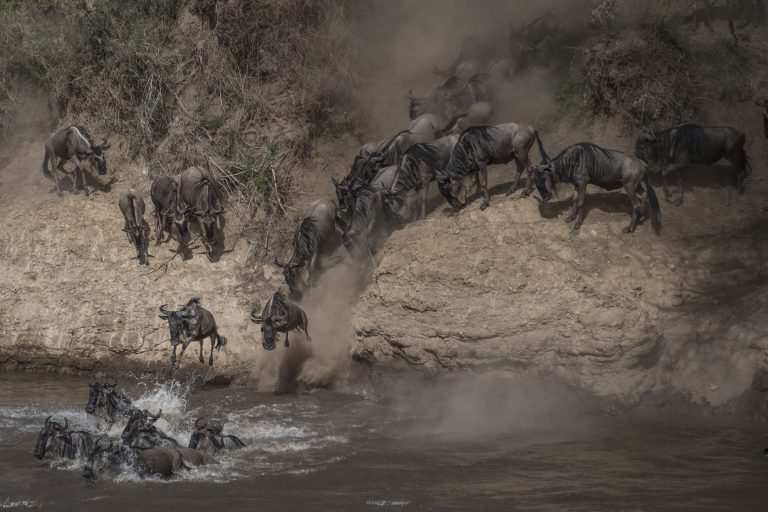 7-Day Masai Mara Migration SafariRiver crossings season, by road7 days · from $4,900 ppView trip →
Every trip is private and can be changed to suit you. Get a free, tailor-made quote in 6 hours →
Rules you will meet in a conservancy
Each conservancy writes its own code, but they share a few principles. The only conservancy rulebook we have read in full is Mara North’s, and it is a fair example of what to expect elsewhere:
- No more than five vehicles at a sighting, with extra cars waiting about 100 metres away.
- A speed limit of 40 kph.
- Guests must not leave the vehicle near wildlife, except at picnic and sundowner sites.
- Night drives only in designated areas, with red filters, and back at camp by 10:00 pm.
The smaller conservancies may set different limits, and a travel company puts the cap at four vehicles in Naboisho. Ask your camp for its own numbers, because we have not read an official rulebook for each of the seven areas here.
What it costs
Conservancy fees are separate from the reserve’s entry fee and are normally part of the nightly camp rate for guests staying inside. One 2026 travel-company guide gives a range of USD 80 to 120 per non-resident adult and USD 45 to 75 per child for the private conservancies. That is a guide’s range, not an official tariff, and it covers the better-known conservancies rather than these seven. Always ask whether conservancy fees are included in the rate. Fees last verified: October 2026.
Camp prices vary a great deal by season and property, so we do not quote them here. Our trip prices are quoted as “from” prices, midrange and low season, for two people sharing, and they depend on season, group size and lodge choice.
Two ways to see the Mara
3-Day Maasai Mara Roar & Roam Safari: a short first look at the Mara for travelers with limited time. From USD 1,420 per person.
7 Days Maasai Mara Migration Safari: more time on the ground, suited to travelers who want to add a conservancy stay. From USD 4,900 per person.
Prices depend on season, group size and lodge choice.
How to combine conservancies with the reserve
Most travelers do best by splitting a Mara stay: a night or two in a conservancy for walks, night drives and quieter sightings, then time in the reserve for the river crossings. If you are weighing the two sides of the reserve, Mara Triangle vs Greater Mara explains the choice. For the full planning picture, including how to get there and when to go, see the Masai Mara safari guide.
The conservancies also face pressure. Fencing, land subdivision, farming and crowding at river crossings are the main ones. Your fee and your choice of camp help show landowners that open land has a value. That is a good reason to look beyond the busiest names.
Get your free safari quote in 6 hours
Tell us your dates and who is travelling. A planner in our Nairobi office replies within 6 hours with a day-by-day itinerary, the camps we suggest and a fully itemised price. No payment is needed to enquire.
Prefer to talk? WhatsApp or call +254 799 871 255.
Frequently asked questions
How many conservancies are there in the Mara?
It depends on who is counting. Wikipedia names 14, one research programme lists 16 plus the reserve and the Mara Triangle, and the Mara Conservancies association lists 22, including some outside the core Mara. “More than a dozen” is a safe answer.
Can I drive myself in a Mara conservancy?
No. Self-driving is not permitted in any of the conservancies, and only guests staying at member camps may game drive in them.
Are walking safaris and night drives possible in these conservancies?
Conservancies in general offer them, while the national reserve does not. Walks are led by an armed ranger. Whether a specific camp in Lemek, Siana or Pardamat runs them is a question for that camp, so ask before you book.
Do these conservancies have cattle as well as wildlife?
Some conservancies let Maasai landowners graze cattle, so you may see livestock alongside wildlife. It varies by conservancy and by camp.
Are the smaller conservancies cheaper than the famous ones?
We cannot give a blanket answer, because no official tariff exists for these seven areas that we have read. Conservancy fees are usually part of the camp rate, and rates vary by camp and season. We price each itinerary individually.
Which is the biggest of the smaller conservancies?
Pardamat, at about 26,000 hectares by the association’s figure, followed by Siana at about 11,000 hectares.
Can you build a trip that includes one of them?
Yes. Tell us your dates and what you want to see, and we will check which camps operate in the area you prefer and price the trip with a full itinerary.


Comments are closed